A record-breaking heatwave is sweeping across Europe, disrupting daily life, straining infrastructure and highlighting the growing impacts of climate change.
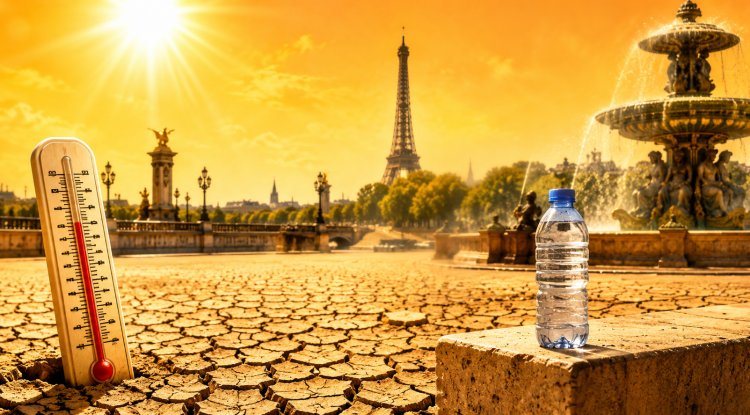
Europe is facing a harsh heatwave, with the extreme heat being seen as a sign of the climate crisis. As Europe deals with a very hot summer, the extreme heat is being seen as a sign of the climate crisis. High-pressure weather conditions, called an Omega block, have been firmly established over the west of Europe, bringing large amounts of hot air and transforming historic capitals into blistering hot spots. This early summer heatwave has been record-breaking, and temperatures have hit up to 18 degrees Celsius above average for the continent; several temperature records have been broken, and normal life has been turned upside down. Across the UK and into France – and up to Basel – millions of people have been affected by extreme and relentless heat, which has forced the closure of buildings, including schools and hospitals, and thrown government and critical infrastructure services into disarray.
The latest figures from national weather agencies are a daunting indication of a world that is getting hotter by the day. Paris recently baked under a record June high of 40.9°C in France, an extreme heat that the French capital has not experienced often. Across the English Channel, the UK also recorded 36.7 degrees Celsius, while it hit 38.1 degrees Celsius in Basel, Switzerland, setting new records after nearly 80 years. Even in the night, little respite is being provided, as cities like Cardiff set a new record for their lowest temperatures recorded, and homes are baking in the dark without any opportunity to cool down.
As the extreme weather strains local resources, public officials are pleading with people to shift how they live day-to-day. Local governments are emphasising the changing nature of the threat. This latest wave of the emergency is impacting active, healthy, middle-aged people (50-70). They are likely to go about their normal duties, outdoor tasks or exercises as if nothing was wrong, and soon end up suffering from heat exhaustion or heart problems. Emergency room admissions are already ramping up, with Paris alone reporting a huge several-fold increase in cardiac arrests in one 24-hour period.
They are desperate to cool off and have caused a second crisis of safety across the continent. People are desperate for some relief from the oppressive heat and are swimming in unsupervised canals, rivers and lakes, and have already drowned at least 48 people in France and dozens more in Germany. Even more heart-wrenching are the stories of young children dying from being left inside cars that quickly became deadly ovens in the intense heat of the sun's rays.
The heatwave is also having a huge impact on the economy and infrastructure of Europe, in addition to the human costs. Large parts of the agricultural sector are expected to experience substantial declines in cereal and animal production and field-grown vegetables in the near future, which will likely result in higher grocery prices in the coming months. During this period, Italy is experiencing extremely hot weather, which poses a risk to the health of more than a million outdoor workers, with several regions implementing regulations to ban outdoor work during certain hours of the day. Schools have been closed, the Louvre Museum has cut back its hours, and the railway companies have continued to cancel train services because of the need to keep people safe: rails have warped, and wildfires threaten to close transit corridors.
Climate scientists note that such a heat wave is virtually impossible without human-caused global warming. The heat domes have become a regular occurrence in recent years, and their devastating impact on the climate is undeniable. The heat domes are a regular occurrence now, and the impact they have on the climate is undeniable. The impact of the storm continues in Germany, Austria and Italy for the rest of the weekend, and it's all about community survival. Climate change is unprecedented in this part of the world, where domestic air conditioning is rare, and trying to get used to these dreadful climate fluctuations is not just about comfort; it's survival.
What's Your Reaction?