


LICO Materials and Ather Energy have signed an MoU to recycle spent EV batteries and recover critical minerals to support India's growing electric vehicle ecosystem.
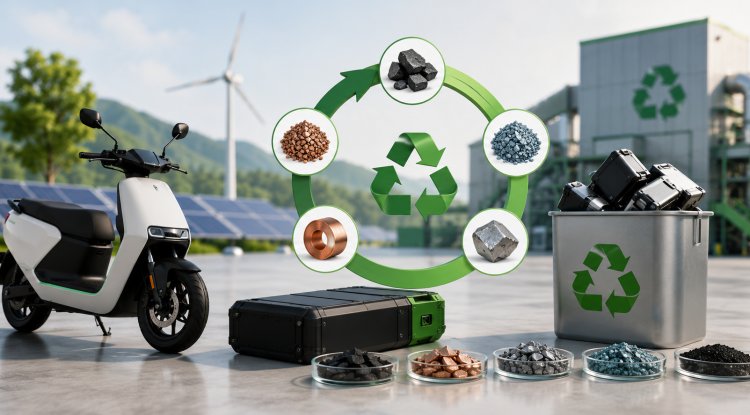
As India's electric vehicle sector continues to expand, LICO Materials, an integrated battery circularity solutions company, and electric scooter manufacturer Ather Energy have signed a Memorandum of Understanding (MoU) to collect, recycle, and recover materials from spent EV batteries.
Under the agreement, batteries from Ather's electric two-wheeler fleet will be treated at LICO's battery recycling plant in Karnataka. The recovered minerals, such as lithium, nickel, cobalt, graphite and copper, will be reintroduced into the battery supply chain for use by battery cell manufacturers and original equipment manufacturers. According to LICO, their technology can extract up to 95 per cent of the key materials, reducing dependence on imported materials and lowering the environmental impact of battery production.
The partnership addresses a structural challenge in India's growing EV market. The country continues to be highly dependent on the supply of critical minerals such as lithium, nickel and cobalt for battery production, which are also affected by supply chain disruptions, geopolitical uncertainty and price volatility. India's automotive market, the world's third-largest, has annual sales of more than 26 million units and is rapidly transitioning towards the electrification of vehicles, leading to an increasing number of lithium-ion batteries reaching the end of their lifecycle.
“It is a structural weakness for India in building one of the largest EV fleets in the world without having the mineral reserves to support it, and nothing but battery circularity can save the day,” said Gaurav Dolwani, CEO of LICO Materials.
Ather Energy, which entered the EV market in 2018, stated that the partnership will bring a systematic approach to collecting, recycling, and extracting battery components as more electric two-wheelers hit Indian roads.
The partnership aims to reduce lifecycle emissions, achieve cost savings and promote battery circularity, which could demonstrate the role of the circular economy in the growing EV ecosystem in India under the Make in India initiative.
What's Your Reaction?

















