Research shows that rising temperatures and more frequent heat waves are increasing stress on birds, mammals, bats, and fish, with implications for biodiversity worldwide.

Wildlife is increasingly challenged by rising temperatures, increased frequency and magnitude of extreme heat; heat waves are becoming more frequent and intense all over the world. Due to increased temperatures, scientists have determined that the effects of heat on terrestrial and aquatic animal health are widespread and leading to higher rates of death from heat-related causes.
A study conducted in a heat wave occurring in Western North America in 2021 (published in Nature Ecology & Evolution) has found that 75% of the species examined in the heat wave faced negative consequences due to the heat wave, thus adding more weight to the argument.
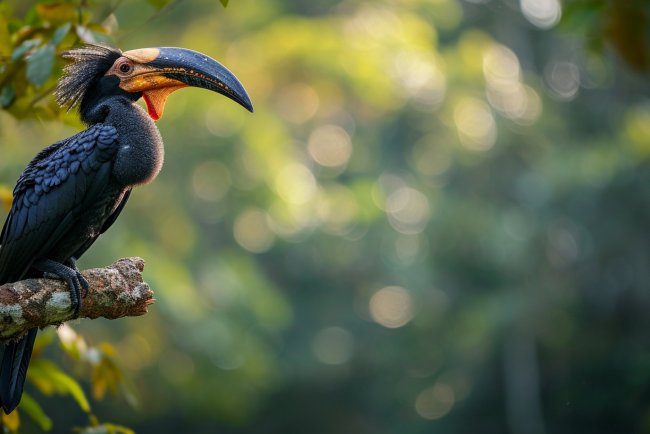
Birds are often cited as one of the animal groups most at risk from the impacts associated with extreme heat. Most birds maintain body temperatures at 39°C-42°C, creating a very small margin for tolerance to additional increases in temperature. Because birds cannot sweat, they rely on cooling by evaporating moisture through their respiratory systems; as the duration of heat exposure increases, this evaporative cooling effect leads to increased amounts of water being lost and subsequent increases in the rate and risk of dehydration. Additionally, the young (nestlings) remain at a substantially increased risk of dehydration because they are unable to leave the nest to search for cooler areas.
Small mammals like rodents and hedgehogs are not well-adapted to coping with high temperatures when there is a heat wave. Small mammals can control their body temperature through physiological processes that involve the use of water, and staying for a long time in high temperatures causes dehydration and health complications from the heat.
Bats are greatly affected by extreme heat since they lose many members of their population through deaths caused by such weather conditions. Many bats have been found dead in different places owing to high temperatures for a long duration of time. The death of bats might affect the local ecosystem, since bats are important pollinators, seed dispersers, and insect controllers.
Heat-related impacts are also being observed in aquatic environments. Warmer water contains less dissolved oxygen, creating stressful conditions for fish and other aquatic species. Higher temperatures can affect feeding patterns, growth, reproduction, and survival rates. In severe cases, heat waves can contribute to large fish mortality events.
According to scientists, climate change is creating more opportunities for extreme heat stress due to climate change. Some individual species may be able to adapt to extreme heat through behavioral changes, but most species do not have the biological capacity to adapt to rapidly changing conditions. Continue to monitor wildlife populations to learn how to create proper conservation strategies, as continued satellite surveillance will help to determine how wildlife responds to increasing temperatures.
What's Your Reaction?