Hyundai is leading the way in green mobility with a focus on hydrogen fuel cells and electric vehicles to create a sustainable future. Discover Hyundai’s commitment to reducing carbon emissions and investing in clean technologies.Explore Hyundai's green mobility initiatives, including hydrogen fuel cell technology and electric vehicles, as the company sets ambitious goals for carbon neutrality and a sustainable future in transportation.

Hyundai’s Vision for a Sustainable Future: Green Mobility and Hydrogen Fuel Cells
Hyundai has been at the forefront of the green mobility movement, focusing heavily on the development of sustainable transportation solutions. The company is committed to advancing both hydrogen fuel cell technology and electric vehicles (EVs) as part of its long-term strategy to reduce the environmental impact of the automotive industry. By investing in cleaner technologies, Hyundai aims to play a key role in achieving a carbon-neutral future and reducing the global dependence on fossil fuels.
One of the core areas of Hyundai’s sustainable mobility vision is its hydrogen fuel cell technology. Hydrogen-powered vehicles are gaining attention due to their ability to produce zero emissions while offering longer driving ranges compared to conventional electric vehicles. The company’s commitment to hydrogen is exemplified by the NEXO, a hydrogen-powered SUV that has already been made available to consumers in select markets. Hyundai is also working on expanding its hydrogen infrastructure, including fueling stations, to further encourage the adoption of this technology worldwide. Hydrogen fuel cells offer a promising alternative to traditional gasoline and diesel engines, especially for heavy-duty trucks and buses that require greater range and faster refueling times.
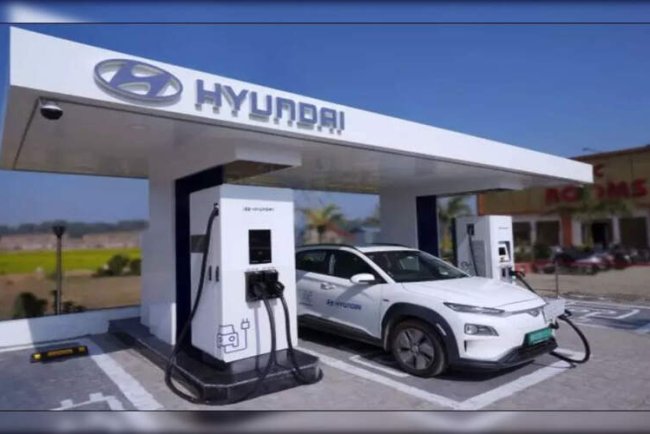
Alongside hydrogen, Hyundai has placed a significant emphasis on electric vehicles as part of its green mobility strategy. The company has already released several all-electric models under its Ioniq sub-brand, such as the Ioniq 5, which has garnered positive feedback for its innovative design and impressive performance. Hyundai plans to introduce more EV models in the coming years, aiming to increase the share of its sales derived from electric vehicles. The company also intends to build an extensive network of charging stations to make EV adoption more convenient for customers. Hyundai’s EV initiatives are crucial to reducing greenhouse gas emissions, as electric vehicles run on renewable energy sources and do not rely on fossil fuels for operation.
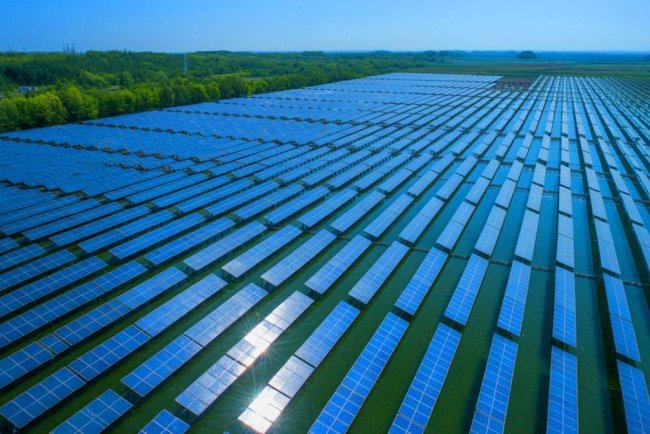
Beyond its product offerings, Hyundai is also making strides in sustainability across its entire value chain. The company is committed to achieving carbon neutrality by 2045, which includes reducing carbon emissions from production processes and investing in renewable energy sources. Hyundai’s efforts go beyond the cars themselves, with a focus on using sustainable materials in manufacturing, promoting recycling, and minimizing waste. As part of its long-term environmental goals, Hyundai is working towards the creation of a circular economy, where the end-of-life of vehicles results in minimal environmental impact, and parts and materials are reused and recycled wherever possible.
In conclusion, Hyundai’s efforts to lead in the clean energy sector are commendable, as the company focuses on both hydrogen fuel cells and electric vehicles to contribute to a more sustainable future. With its commitment to reducing carbon emissions, developing cleaner technologies, and driving innovation in green mobility, Hyundai is positioning itself as a leader in the automotive industry’s transformation towards sustainability. The future of mobility may well be shaped by these efforts as the world increasingly moves towards cleaner and more sustainable alternatives in transportation.
What's Your Reaction?