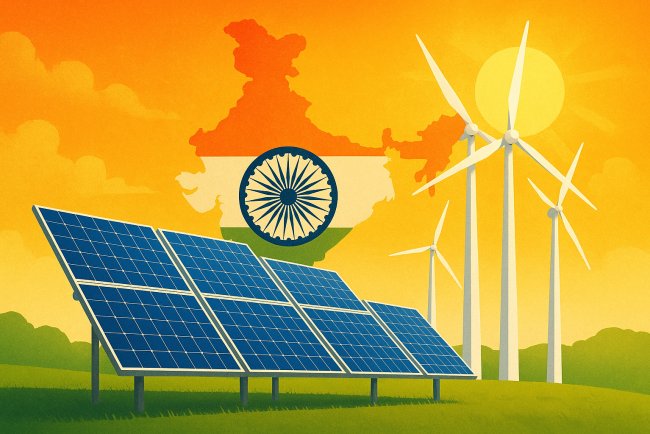
India's electricity demand is projected to grow by 6% annually over the next four to five years, driven by economic growth, industrial expansion and large-scale renewable energy investments.
India's electricity demand is expected to grow by around 6% every year over the next four to five years, supported by rapid economic growth, increasing industrial activity and continued expansion of renewable energy, according to a Centrum Institutional Research report. The report says India is likely to add 45-50 GW of renewable energy capacity annually, helping the country meet its rising power needs while moving towards a cleaner energy mix.
India’s renewable energy space has already made a strong start in FY27. The country has been able to install 6.8 GW of solar capacity and 712 MW of wind capacity within the initial two months of the fiscal year. It is on track to meet its renewable energy target for the year. The report is of the view that the growth momentum of renewable energy companies and IPPs will sustain itself.
There is an increasing demand for electricity in India due to industrial growth, urbanisation, increased consumption of air conditioners, electric cars, and data centres and digital infrastructure. According to the report, the peak power demand in the country rose to 271 GW in May 2026 from 242 GW in fiscal year 2026.
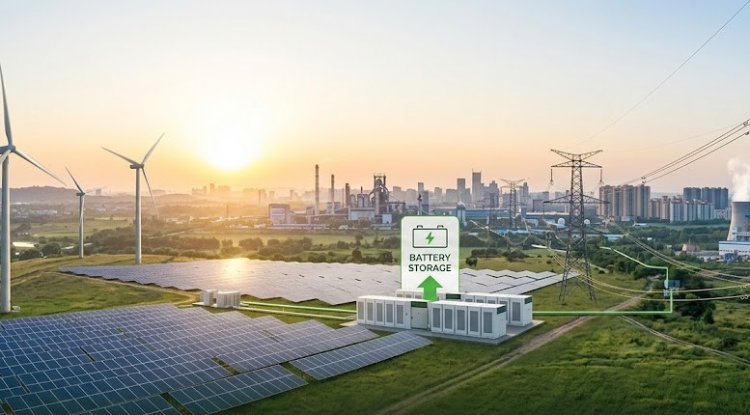
The other point in the report is that the manufacturers of solar power equipment are benefiting due to domestic demand and import substitution, while companies developing renewable power had increased their investment in hybrid renewable energy systems, FDREs and BESS systems. These technologies would make the grid more reliable by providing storage for renewable energy and generating electricity even on non-sunny or non-windy days.
The continued expansion in renewable energy in India is driven by the government's aim to have a non-fossil power generation capacity of about 500 GW by 2030. Favourable policies, increased investments, increased pledges from corporations to cut down greenhouse gas emissions, and the need for round-the-clock green power are some of the reasons that will drive future renewable energy development.
Even with the fast development in clean energy technology, fossil fuel-based power plants like coal plants will continue playing a significant role in supplying electricity during peak demand for electricity. Increasing transmission lines and battery storage technologies along with flexible generation will be critical in providing a dependable and constant power source in line with increasing contribution from renewable energy sources in the power mix.
Overall, the report presents a positive outlook for India's power sector, with strong demand growth, large-scale renewable energy additions and continued investment in energy infrastructure expected to support the country's economic growth while advancing its clean energy transition.
What's Your Reaction?