India’s Green Mobility Push: ESG Impacts of the EV Revolution
Explore how India’s electric vehicle revolution is shaping its ESG landscape—covering emissions, employment, infrastructure, and governance—while aligning with global mobility trends.
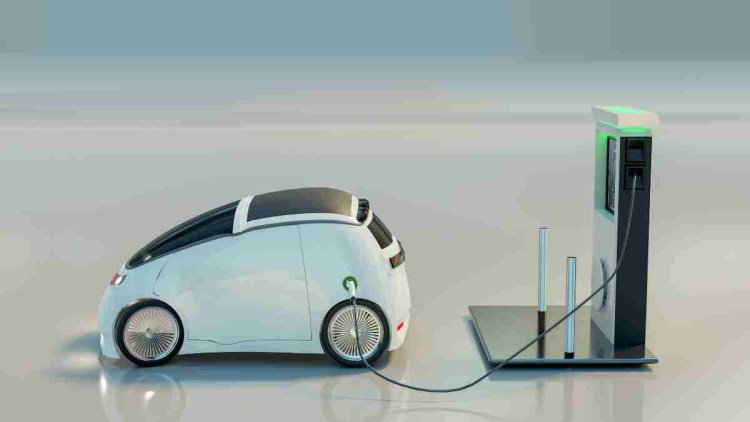
India is accelerating its transition toward electric vehicles (EVs) as part of a broader strategy to address climate change, reduce oil dependence, and modernize its transportation infrastructure. With support from both the central and state governments, India’s push for green mobility is reshaping the country’s Environmental, Social, and Governance (ESG) landscape. This initiative, while ambitious, also reflects broader global trends, with countries like Japan, England, the USA, and Canada advancing their own electric mobility agendas.
Government Incentives and Industry Response
India’s Faster Adoption and Manufacturing of (Hybrid &) Electric Vehicles (FAME) policy, now in its second phase, is a key driver behind the country's EV adoption. The program offers subsidies and tax benefits to encourage the production and purchase of electric two-wheelers, three-wheelers, and passenger vehicles. State governments have also rolled out individual EV policies, offering incentives such as road tax exemptions and charging infrastructure subsidies.
Automakers and startups alike have responded actively. Major companies like Tata Motors, Mahindra Electric, and Ola Electric have expanded EV production, while several startups focus on battery technology, EV fleets, and charging networks. India aims to have EVs represent 30% of all vehicles sold by 2030, according to NITI Aayog targets.
Environmental Impact
The EV transition is poised to reduce greenhouse gas emissions significantly. The transport sector currently contributes about 10% of India’s total emissions, and internal combustion engine (ICE) vehicles are a major source. Electrifying the fleet can reduce urban air pollution, which is a critical issue in cities like Delhi and Mumbai. However, the environmental impact also depends on how electricity is generated. While India is expanding its renewable energy capacity, coal remains a large part of the energy mix. This poses challenges to achieving fully “green” mobility.
Battery recycling and raw material sourcing are additional environmental considerations. Lithium, cobalt, and other rare materials required for EV batteries have raised sustainability and ethical sourcing concerns, especially when imported from countries with weak environmental and labor regulations.
Social Impact
The EV revolution is generating new employment opportunities across sectors, from manufacturing and assembly to battery tech and maintenance services. However, there are transition challenges. Workers in traditional automotive manufacturing, especially in small-scale parts suppliers for ICE vehicles, may face displacement without proper retraining programs. Public transport fleets such as electric buses are being introduced in several cities, increasing access to sustainable transport options for underserved populations.
EV penetration is also prompting infrastructural changes. Urban areas are witnessing the rollout of charging stations in malls, office complexes, and highways. But rural and semi-urban areas remain underserved, raising concerns about equitable access.
Governance and Regulatory Outlook
Regulatory frameworks around EVs are evolving rapidly. India has introduced safety standards for EVs and battery packs, while also working to ensure data privacy for connected vehicle systems. Transparent ESG reporting and adherence to sustainability goals are gradually being adopted by large automakers, especially those seeking international investments or operating globally.
India has also engaged in international collaboration to improve its EV capabilities. Partnerships with countries such as Japan for battery technology and with European automakers for manufacturing expansion reflect a multi-national approach to governance and technological exchange.
Global Comparisons
Other countries offer valuable benchmarks. Japan has invested heavily in hydrogen fuel cell technology alongside EVs and has long emphasized energy efficiency. The UK is targeting a ban on the sale of new petrol and diesel vehicles by 2035. The USA, under the Inflation Reduction Act, is promoting EV manufacturing and clean energy, with a focus on domestic supply chains. Canada has implemented incentives for EV buyers and is also building a national network of charging infrastructure.
While India’s approach is tailored to its population density, infrastructure limitations, and energy profile, the broader ESG objectives align with international priorities.
Conclusion
India’s green mobility push is a significant step toward sustainable development, combining environmental goals with social impact and governance reforms. The country faces challenges in terms of infrastructure, battery recycling, and energy sourcing, but continued government support and industry innovation are helping shape a scalable and inclusive EV ecosystem. As global pressure for ESG compliance grows, India’s electric vehicle revolution may serve as a blueprint for other emerging economies.
What's Your Reaction?