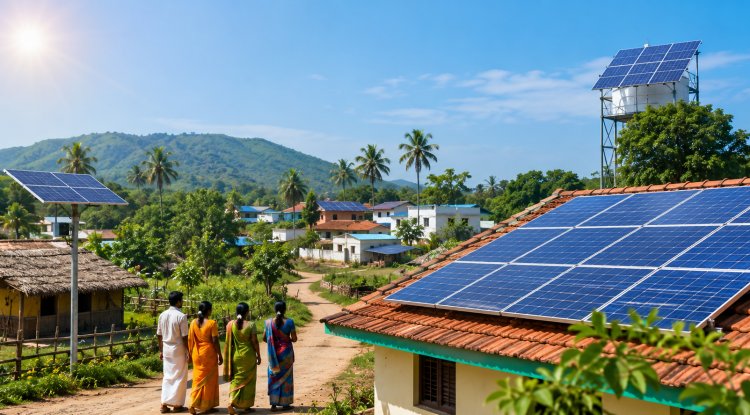
India’s renewable energy sector could attract between $10 billion and $15 billion in investment by 2030 as the country expands clean energy capacity and energy transition efforts.
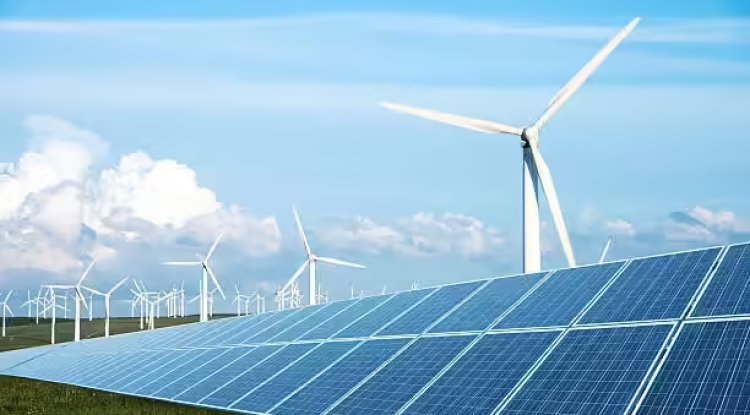
Investment worth between $10 billion and $15 billion is projected to be made in India's renewable energy market by 2030 due to the growth in demand for electricity and the development of renewable energy capacity in India.
This increase in investment will happen amid the growth in renewables-based energy projects and efforts by the Indian government to diversify the energy sources and cut down on energy imports.
The Indian government has stated its intention to develop non-fossil fuel energy projects in the next few years with a focus on renewable energy as part of its energy strategy.
As per reports, investments will likely be made in solar energy projects, energy storage, transmission and grid infrastructure required for generating renewable energy.
There has been an increase in demand for electricity in India amid economic growth, industrialization and urbanization. Researchers have pointed out that considerable investments will be required to address the rising demand for energy while cutting emissions from the electricity sector.
India is one of the world's leading markets for renewable energy and especially solar energy. This growth in renewable energy has been facilitated through various government policies and incentives.
But industry analysts have identified some difficulties that include financing costs, acquisition of land, transmission bottlenecks, and reliance on imported clean energy components.
There will be greater importance placed on battery storage and transmission systems with the rise in renewable energy production. Grid enhancements will become necessary to handle the variations in the production of solar and wind energy.
Renewable energy continues to attract investments through the implementation of renewable energy infrastructure projects, green finance, and power purchase agreements.
India has been paying more attention to manufacturing within the country of solar modules, batteries, and renewable energy components to achieve industrial goals.
The researchers explained that achieving renewable energy goals will require additional investments, regulatory stability, and expansion of transmission systems in other states.
Many countries around the world are increasing their spending on renewable energy and infrastructure for low-carbon emissions.
What's Your Reaction?