Ingka builds 110 MW solar parks in Germany, advancing clean power goals and supplying energy to 26,000 homes
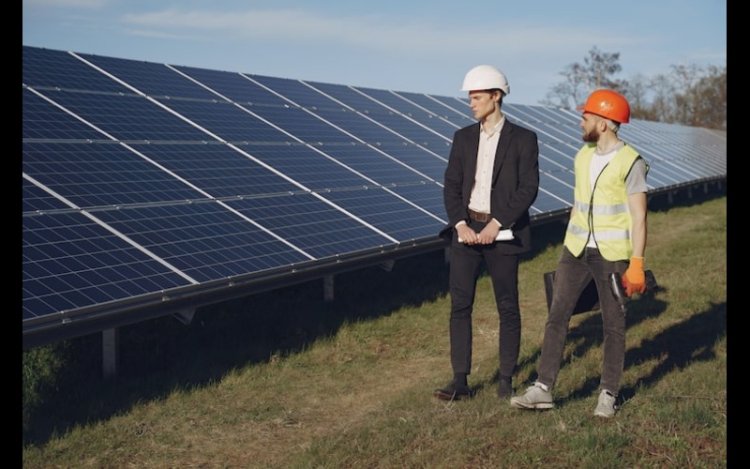
Ingka Group is pushing forward with its clean energy goals by expanding its renewable portfolio in Germany. This move is a significant step in its long-term investment strategy of €7.5 billion (about $8.1 billion). Through Ingka Investments, the company has started building two large solar parks that will combine to produce 110 MW of capacity. This strengthens its role in the European energy transition and reinforces its commitment to sustainability, renewable energy in Germany, solar power investment, and the clean energy shift.
The first solar park is under construction in Bokel Schäferkate and is set to start operations by October 2026. A second project in Heideland will begin in early 2027 and is expected to be online by October of that year. Together, these projects should generate enough renewable electricity to power around 26,000 households each year. This effort aligns with Germany’s goal to significantly increase renewable energy capacity by 2030 and lessen reliance on fossil fuels, further enhancing renewable energy in Germany and promoting sustainable infrastructure.
Scaling Investment in Renewable Infrastructure
This expansion is part of Ingka’s larger effort to invest heavily in wind and solar projects across Europe. With €7.5 billion planned through 2030, the company aims to become a significant private-sector player in transforming energy systems. Unlike typical corporate sustainability efforts that mainly focus on reducing internal emissions, Ingka’s strategy involves owning and developing energy infrastructure directly.
Germany has become a key market for this approach. Thanks to regulatory support, energy security issues, and rising demand for clean power, the country presents favorable conditions for renewable investments. For Ingka, this not only means reliable, long-term returns but also a way to protect against energy price swings that could impact its retail operations. By becoming part of the energy value chain, the company contributes to a bigger shift in how businesses view sustainability.
Connecting Energy Infrastructure to Households
In addition to large-scale energy production, Ingka is focused on enabling consumers to take part in the energy transition. Through its IKEA retail operations in Germany, the company is offering home energy solutions in collaboration with Svea Solar. These products are meant to make it easier for households to adopt renewable energy.
Among the main offerings are plug-in balcony solar kits. These kits allow residents, especially those living in apartments, to produce their own electricity without complex installation steps. Furthermore, the company is introducing a flexible electricity tariff managed via a mobile app. This system lets users access renewable electricity at wholesale market rates, cutting costs and promoting smarter energy use.
This dual approach reflects a rising trend toward decentralized energy systems, where consumers become active participants in generating and managing energy rather than just passive users. By linking large-scale projects with home solutions, Ingka is helping to create a more adaptable and resilient energy ecosystem.
Executive Perspective on a Dual Strategy
Peter Jelkeby, Country Retail Manager for IKEA Germany, highlighted the company's integrated approach to sustainability, pointing out its impact beyond internal operations. He stated that investing in large solar infrastructure helps decarbonize the national grid, benefiting not just the company but all homes and businesses connected to it.
He also stressed the need to make renewable energy more accessible to everyday consumers. By providing easy and affordable options like balcony solar kits and flexible tariffs, IKEA aims to make sustainability a practical choice rather than just an abstract concept. This strategy reflects the company’s vision of improving daily life while promoting environmental responsibility.
Implications for Investors and Industry Leaders
Ingka’s model shows a strategic shift that more global companies are embracing: combining infrastructure investments with consumer-oriented energy solutions. This dual approach diversifies revenue streams and minimizes risks from energy market fluctuations while meeting stricter ESG expectations.
For investors, this indicates a changing landscape where companies actively engaging with consumers can impact energy behaviors on a larger scale. By merging retail, energy, and digital platforms, businesses like Ingka are redefining sustainability as both an operational priority and a market opportunity.
A System-Level Transformation in Energy
These recent developments highlight a broader trend in the global energy transition, where private investment plays a more active role in shaping infrastructure and market dynamics. Companies are now investing directly in systems that produce and distribute clean energy, rather than relying only on offsets or renewable procurement agreements.
As Germany moves closer to its 2030 renewable energy goals, the interaction between large-scale expansion and household adoption will be vital. Ingka Group’s approach shows how companies can work in both areas, making a significant impact while opening new paths for growth.
In this changing energy environment, businesses that effectively blend infrastructure development with consumer involvement are likely to lead the way in speeding up the shift to a sustainable future.
What's Your Reaction?