Maharashtra Aims to Complete 5000 MW Solar Agri Feeder Scheme
Maharashtra aims to complete the 5000 MW Solar Agri Feeder Scheme by September 2025 to provide farmers with clean, daytime solar power and reduce reliance on conventional energy.
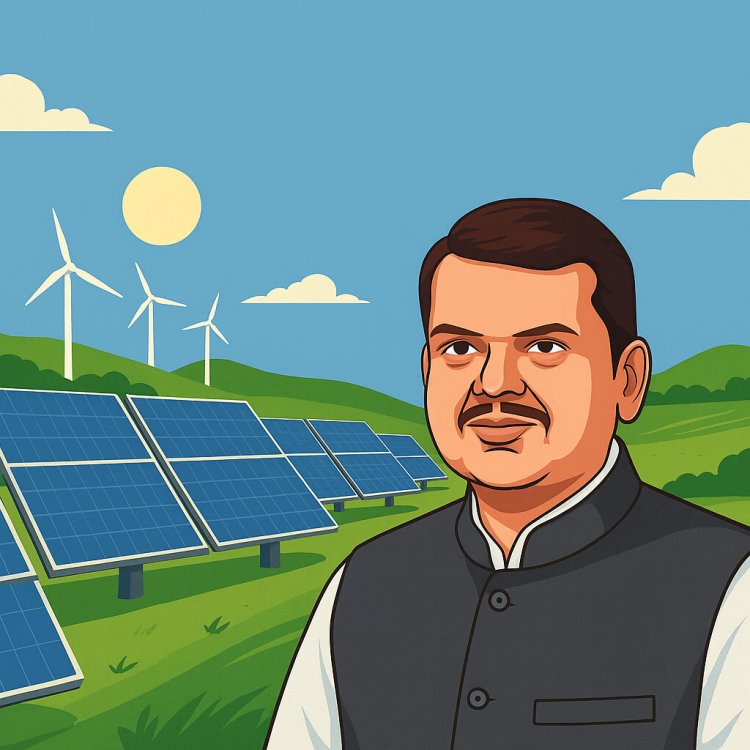
Maharashtra Deputy Chief Minister Devendra Fadnavis has directed government departments to ensure the completion of the 5000 MW Solar Agri Feeder Scheme on schedule, with a specified deadline of September 2025.
This program is a part of the Government's broader plan to offer solar-powered power to farmers. The concept is to install specialised solar power systems for farming purposes, thereby making farmers receive daytime power directly from the solar plants rather than relying on conventional sources such as coal or diesel.
During a high-level review meeting, Devendra Fadnavis clarified that this project isn't merely about generating power but also about facilitating farmers to access clean, cheap, and trustworthy energy. It also facilitates India's long-term objective of expanding the use of renewable energy. He further said that “This is my dream project. There should be no delays at any level. Time-bound and well-coordinated execution is critical. The meeting was convened to review land availability and other related issues in the scheme.”
The project is being implemented by MSEDCL (Maharashtra State Electricity Distribution Company Limited) in association with other public and private stakeholders. Once completed, it will assist the state in saving electricity subsidy for farmers and lowering pollution by deploying clean energy.
Fadnavis also stated that the work should be monitored regularly, and whatever the problem whether paperwork or ground level delays, should be addressed promptly. He requested officials to ensure that the process remains transparent, accountable, and involves local communities so the plan serves all well.
This project is also part of India's national goal to generate 280 GW of solar power by 2030, and this could become an example for other states in combining agriculture with solar energy.
What's Your Reaction?