Major companies like Walmart, Mars, and Nestlé have exited the U.S. Plastics Pact, raising concerns about achieving 2030 plastic waste reduction targets amid rising global plastic pollution.Walmart, Mars, and Nestlé exit the U.S. Plastics Pact, threatening 2030 goals to reduce plastic waste as global pollution rises, highlighting corporate sustainability challenges.
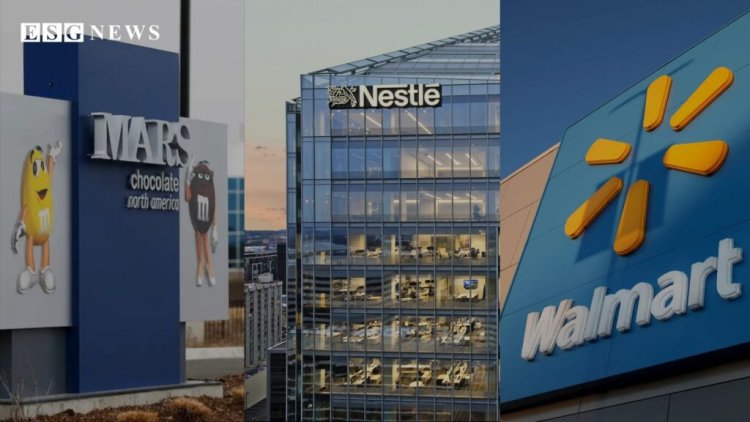
Several major companies, including Walmart, Mars, and Nestlé, have withdrawn from the U.S. Plastics Pact, a collaborative initiative aimed at reducing plastic waste by 2030. This exit raises questions about corporate commitment to sustainability as deadlines for ambitious environmental targets near.
The U.S. Plastics Pact, launched in 2020, brings together companies, NGOs, and governments to address plastic pollution through goals like eliminating problematic packaging, ensuring recyclability, and increasing recycled content. Members commit to making all plastic packaging recyclable, compostable, or reusable by 2030, alongside reducing virgin plastic use. The recent withdrawal of major corporations, which account for significant plastic consumption, has sparked concerns about the pact’s effectiveness and the broader fight against plastic pollution.
These companies cited various reasons for leaving, including challenges in meeting the pact’s targets and differing internal sustainability strategies. The decision comes as global plastic production continues to rise, with an estimated 1.6 billion disposable masks entering oceans since the pandemic began. The U.S. generates over 40 million tons of plastic waste annually, much of which ends up in landfills or incinerators due to limited recycling infrastructure. The pact’s goals require significant investment in recycling systems and material innovation, which some companies find costly or impractical.
The exit of high-profile members could weaken the pact’s influence, as collective action is critical to driving systemic change. Smaller companies and NGOs remaining in the pact face increased pressure to fill the gap left by larger players. However, some argue that corporate withdrawals reflect a shift toward independent sustainability initiatives, as companies like Walmart invest in alternative recycling programs and Mars explores biodegradable packaging. These efforts, while promising, lack the coordinated impact of the pact’s framework.
Global efforts to combat plastic pollution are gaining momentum, with negotiations for a global plastics treaty ongoing. The pact’s goals align with these international efforts, but the departure of major players highlights the challenges of aligning corporate priorities with collective targets. In the U.S., recycling rates remain low at around 9%, compared to higher rates in countries with advanced waste management systems. Scaling up infrastructure and consumer education will be essential to meeting 2030 targets.
The environmental impact of plastic waste is severe, affecting marine life, soil health, and human health through microplastic contamination. Albatrosses and other seabirds, for example, face high mortality rates from ingesting plastic mistaken for food. The pact’s focus on eliminating single-use plastics and increasing recycled content aims to address these issues, but corporate commitment is critical to success.
Conclusion
The withdrawal of major companies from the U.S. Plastics Pact underscores the challenges of achieving collective sustainability goals. While independent corporate initiatives show promise, coordinated efforts are needed to tackle plastic pollution effectively. As 2030 targets loom, stronger policies and infrastructure investments will be crucial.
What's Your Reaction?