India’s retrospective customs duty relief on nuclear equipment imports aims to reduce project costs, support nuclear expansion, and strengthen the country’s low-carbon energy transition.
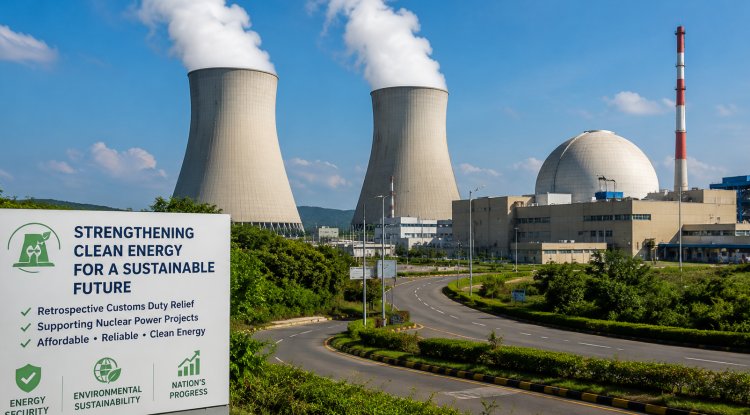
India has announced retrospective customs duty relief on selected imports used for nuclear power generation; a move aimed at reducing financial uncertainty for energy projects and supporting the country's long-term nuclear energy expansion plans. The decision covers specified nuclear power equipment imported between April 1, 2019, and January 31, 2026, ensuring that eligible importers will not face additional duty demands for those shipments.
The concession relates to materials used for production of nuclear energy, thus legitimising past imports without incurring any duty obligations. This is amid India's pursuit to ensure energy security and increase sources of environmentally friendly power.
It has been projected that nuclear energy may prove to be a key component of India’s future energy profile as it strives towards meeting its increased energy demands while also relying less on the burning of fossil fuels. In contrast to coal-fired electricity generation, the operation of nuclear power plants emits minimal amounts of carbon dioxide.
This relief will enhance the financial feasibility of nuclear energy generation projects through reduction in the cost of equipment. Some of the equipment used in reactors include sophisticated machinery that needs modern technological imports, and therefore minimizing extra financial expenses may prove beneficial for the projects.
Government officials have also been seeking to increase nuclear energy capacity through policy changes and innovations in technology. Government officials pointed out that duty exemptions for importing items for nuclear energy projects could accelerate the process and cut down the cost of generating electricity.
With respect to sustainability, the move is in line with India’s overall policy of forming an energy mix for its economy. The use of nuclear energy ensures that there is always power generation around the clock, especially when renewables, like solar and wind energy, do not work due to weather factors.
However, experts note that nuclear expansion requires careful attention to safety standards, waste management, environmental assessments and long project timelines. While nuclear energy can support emissions reduction goals, responsible development and strong regulatory oversight remain essential.
The latest policy step reflects India's attempt to strengthen its clean energy infrastructure by combining renewable growth with other low-carbon technologies. As electricity demand rises, access to affordable and reliable power will remain a key factor in achieving both economic growth and climate objectives.
What's Your Reaction?