SFPI expands food access for vulnerable groups through structured farm-to-community distribution systems
Shibulal Family Philanthropic Initiatives (SFPI) is working to improve access to fresh and nutritious food for underserved communities through its Navahitam initiative. The project began as a pilot in 2024 and focuses on strengthening food distribution systems for children, senior citizens, and other vulnerable groups.
The development was announced in Bengaluru on 23 April 2026. SFPI, founded by Kumari Shibulal and S.D. Shibulal operates in education, healthcare, and community development. The organisation stated that Navahitam is aligned with the United Nations Sustainable Development Goal 2 on hunger and food security.
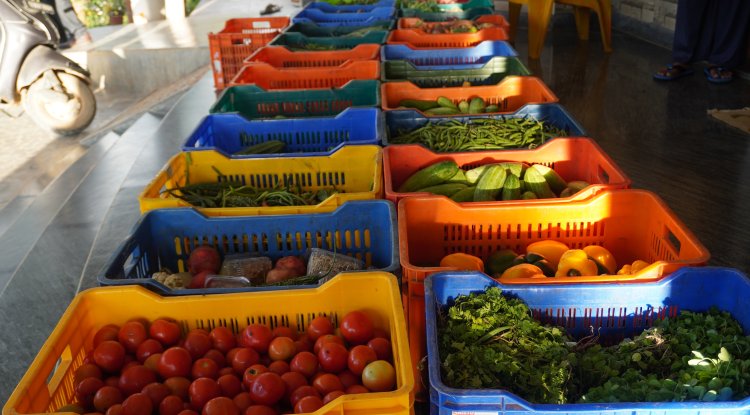
The initiative connects farmers, wholesale suppliers, and community institutions to address gaps in last-mile food access. Fresh produce is sourced through a network of more than 25 farmers in Tamil Nadu, along with wholesale partners, and supplied to organisations serving vulnerable populations.
As of March 2026, the initiative has distributed 242,470.6 kilograms of vegetables, fruits, and groceries, 2,790 kilograms of organic snacks, and 54,730 eggs. The supplies have reached orphanages, hospice centres, homes for the elderly, and facilities supporting individuals with health conditions, including HIV.
Navahitam operates from Maple Tree Farms in Tamil Nadu. Additional supply is provided by the DG Palli farm in Hosur, which produces nutrient-rich crops, including multiple varieties of greens. These facilities support the supply of fresh produce to partner institutions.
The initiative currently reaches around 1,500 individuals per day. SFPI plans to scale distribution to 30,000 kilograms by the end of 2026 and is considering expansion to other cities.
The model includes the redistribution of surplus and sourced produce through structured supply chains. This approach is intended to reduce food wastage while improving access to essential nutrition.
The system is based on coordination between producers, distributors, and community organisations. SFPI has indicated that the model is designed to operate at scale through existing agricultural and institutional networks.
SFPI has been engaged in philanthropic work for over 25 years across education, healthcare, and community development. Its education-related activities include Ankur, The Samhita Academy, Vidyadhan, and Vidyarakshak, along with Shikshalokam, which works on public education systems.
The organisation’s current work includes activities related to food access and agricultural sourcing. Food access remains uneven in India due to distribution and affordability constraints.
The initiative combines farm-level sourcing with distribution through community institutions. It includes the use of locally sourced produce and organic farming practices.
SFPI stated that further expansion will depend on supply capacity, partnerships, and operational requirements.
What's Your Reaction?