This is not only to fulfil their lifestyle needs but to contribute towards the wellness of society and the planet. Such demand highlights the fact that sustainable living today entails social and environmental stewardship. This trend is aligned with the integration of ESG principles into real estate, writes the author
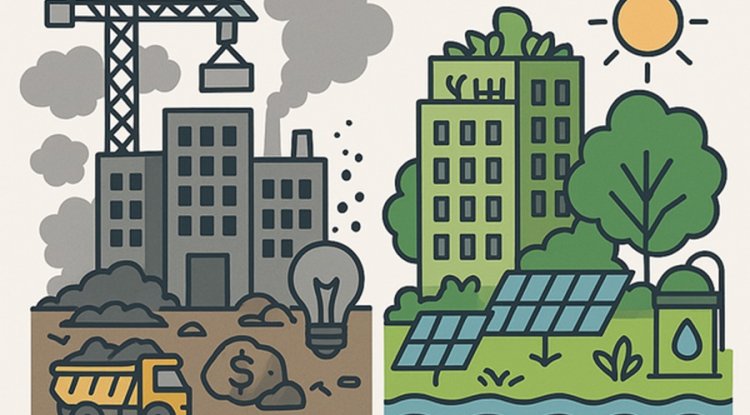
Over the last few years, the emphasis on sustainable construction and real estate has evolved beyond a buzzword to become a central consideration for homebuyers. With increasing focus on the environment and health, along with social responsibility, real estate developers have started to reimagine living spaces. Homebuyers looking for properties are increasingly inclined towards eco-sensitive construction that meets the ESG criteria. This is not only to fulfil their lifestyle needs but to contribute towards the wellness of society and the planet. Such demand highlights the fact that sustainable living today entails social and environmental stewardship. This trend is aligned with the integration of ESG principles into real estate.
Developers increasingly approach environmental, social and governance principles as part of their business models with the objective of integrating compliance to truly make an impact – for instance, energy-efficient buildings with water conservation features and reasonable waste diversion are practically borderless. Sewage treatment plants, rainwater harvesting and long-lasting low-maintenance materials such as grit-finish facades or local rubble stone are some of the ways projects are being done to make an impact. These initiatives are undoubtedly very effective in reducing the carbon footprint throughout a building’s lifecycle, from development to occupation, in line with global targets such as the Science Based Targets initiative (SBTi) for climate-resilient development.
Such transformations are driven by the adoption of recognized green building targets, including LEED and IGBC. Compliance with these codes gives homebuyers the peace of mind that the construction will provide energy efficiency, improved indoor air quality, and sustainable resource management. Progressive developers are integrating IoT-based operations, heat recovery, and rooftop solar PV, along with low-flow faucets and zero wastewater discharge through sewage treatment plants to enhance sustainability.
The blueprint for Net Zero buildings – residences designed to produce as much energy as they consume – is gaining traction. New real estate being built is increasingly focused on the integration of renewable energy, sustainable materials, and holistic waste management systems. Homebuyers are drawn to certifications such as LEED Green Building rating system, and IGBC rating system by viewing them as a stamp of sustainability and quality, and leading developers are actively pursuing pre-certification for upcoming projects to signal their commitment early.
Another observable trait is fostering a connection between people and nature. Properties with large central courtyards and organic farming improve the quality of living. These surroundings provide favorable mental and emotional health support to homeowners. The properties intersperse vertical living with child-friendly amenities, thus encouraging the formation of inter-generational communities. These communities integrate wellness-centric home amenities, social interaction, and shared organic dining. They also provide supportive housing with vibrant sports and wellness programming. Developers divert all waste to segregated landfills and organic composters, monitor real-time air quality for PM2.5 and PM10 using MERV filters, and provide 100% diversion of waste to authorized recyclers.
The social aspect of sustainability is also crucial. Developers are transforming communities through conscious collaborations, for example, with NGOs to build homes for people in underserved communities or through initiatives that reach millions through healthcare and education. The principle of “Sevabhav” governs these initiatives that build shared value, as business growth is linked to social inclusion. Leading developers have partnered with multiple NGOs to educate lakhs of students and contributed to housing initiatives for underprivileged workers. Inclusive design principles make houses accessible to everyone regardless of age and ability, with facilities catering to varied needs ranging from sports centres to sustainable dining. These initiatives mirror the pandemic lessons, highlighting the need for dignified housing for well-being, safety, and health.
Having strong governance is truly essential for sustainability to be more effective. Stakeholders should follow fair business practices, adhere to transparent policies, and handle complaints in a transparent manner – that is the way to gain the trust of stakeholders. Sustainable procurement with low VOC and local materials, along with IMS certifications (ISO 9001/14001/45001) and WELL Health & Safety ratings across projects, further strengthens governance frameworks.
Homeowners are now becoming more cautious about their preferences. They are now looking for homes that can protect the environment and have ethical values rather than just looks and affordability. Customers are now looking for homes that provide meaning to their lifestyle through the idea of sustainability, a sense of community and above all, well-being.
Moreover, homebuyers are looking for homes that provide natural light, green spaces and can be built using eco-friendly materials. The real estate industry is achieving its sustainable goals by recycling waste into useful resources and running programs that promote healthy living. Developers who follow these eco-conscious values are not just meeting buyer preferences but also building a positive legacy, as more people now see sustainability as an important part of choosing a home.
In the evolving Indian real estate market, estimated to reach US$ 5.8 trillion and account for 15.5% of GDP by 2047, sustainability is a fast-emerging driver, according to IBEF data. As per Cushman & Wakefield, this focus on sustainability is further fueled by incessant urbanisation, set to reach 38% by 2030, which in turn catalyses green building demand. The increase in demand for sustainable practices is also heightened by the industry’s enormous environmental footprint, which represents approximately 40% of the world’s energy usage and 33% of emissions; hence, certifications such as LEED and IGBC are becoming more important.
This change is reflected in a 2023 MDPI report, which found that ESG is now explicitly the formal focus for 49% of the examined Indian real estate companies, noting a robust industry-wide focus on improved reporting and sustainable growth.
Views are personal
Read More
SWM Rules 2026 Aim to Reduce Landfills and Improve Waste Management
What's Your Reaction?