They shared how industrial animal farming is affecting wildlife, human health, and the environment.
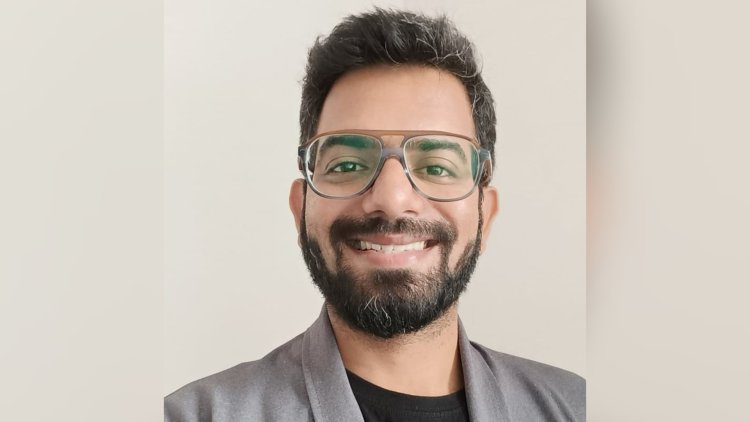
Prashant Vishwanath, Head of Veganuary India, shares Veganuary’s goal to promote a vegan world and not force veganism but change behaviour through education and experience. Habits are not changed overnight, but people change them when it feels real, gradual, and doable.
Excerpts
Explain the mission, philosophy, and approach of Veganuary to create a vegan world.
Veganuary is a global nonprofit organisation. We are registered as a charity in England and Vegas. We started in 2014, and last year marked our 10th anniversary. We do not sell any products or services, and all our activities are for the betterment of humankind. Our vision is to make the world vegan.
We do not want to create a vegan world by force or coercion or a lack of consensus. We want to do it in a very enabling and helpful way, so that sustainable behaviour change happens. When we say vegan, we do not mean a rule or ban on consuming all animal products. It needs to come through a systemic change in consumer behaviour and a systemic change in the corporate production and farming methods of animal products.
When did you realise that animal agriculture is not only damaging the environment but human health as well?
I grew up in a middle-class family in Bangalore, eating meat, dairy, and eggs. In the 90s, it was common knowledge that protein and fitness are good for health. I was into sports and fitness, and I believed that consuming animal products, such as meat and dairy, was necessary to maintain a healthy mind and body. I was trained as an ecologist and was always interested in plants and animals, so I studied ecology and did my master's from Pondicherry University and took up projects related to wildlife and habitat conservation. I was working on projects which helped to decrease conflict between elephants, wildlife, and humans. If you go to Assam or the Western Ghats or the villages around Corbett Tiger Reserve, there’s a lot of conflict between animals and humans—cattle being taken, crops being damaged, people getting killed.
Then I realised that a lot of the wildlife issues stem from our industrialised scale of farming animals. Forest lands are cleared for grazing grounds. People enter protected areas to graze cattle, collect firewood and resources, which also causes diseases in wild animals. The biggest outbreak of rinderpest happened in Bandipur Tiger Reserve because it was transferred from cattle to wild bovines like gaur, and almost the whole gaur population was wiped out in the 1960s. A lot of the wildlife issues stemmed from our need for more animal products like milk, meat, and eggs. And the way animals are treated is also not good for our own health.
The industrialised way chickens are raised for their meat, eggs, and cows raised for their milk in extremely unhealthy. Many people who are sustainability-conscious are moving towards organic and non-factory-farmed milk and eggs. Every other picture of a dairy product has a happy, smiling cow on its package, but that’s not the reality. They are suffering from many diseases. Overall, the effects that we are causing to the environment, on our personal health, and the way animals are treated are the three reasons why I decided to reduce our dependence on animals for health and well-being.
How does food choice connect with sustainability and ESG commitments?
Companies talk about net zero, ESG commitments and SDG integration. There are commitments like reducing paper use, printing less, using low-flush toilets, and reducing water, land, and electricity consumption. While all of this is necessary, there is a lot we can do just by changing the way we eat.
It is not just about the environment; it is also about our own health. That is the message we take through Veganuary, especially to companies. We encourage organisations and employees to try vegan food for 31 days. We are not saying people should stop consuming all animal products overnight or become vegan permanently. That is not sustainable, and we do not recommend it.
We are a behaviour change organisation, and we understand the science of behaviour change. Whether you want to quit smoking or live an active lifestyle, pick up a hobby, we need to introduce ourselves to it in a sustainable way with the best possibility of it sticking for a lifetime.
And based on this behaviour change study, we have formulated 31-day pledge series, which introduces one to the basics of eating a plant-based diet, which ensures that they get enough protein, omegas, iron and calcium and the questions about where will I get my protein from, calcium will not be available, B12 deficiency will occur, all of that is answered and taken care of in the 31-day emails that we send them.
Many people worry about being “100% vegan.” How do you address this?
At Veganuary, we also believe that perfection should not be the enemy of the good. So, everyone starts at some point and does the best they can, but in the effort to be 100% vegan, say for example, I have heard a lot of people saying, I have a weakness for curd, I cannot give up curd.
So, that's why I can't be vegan. So, to them, what I say is that okay fine, you do not eat curd, you do not give up curd and probably look at shifting to a plant-based alternative next year. But what is stopping you this year from giving up everything else and transitioning into a healthier diet while you still eat curd?
So, just because of one small thing, people think that they cannot pursue a healthier plant-based lifestyle. So, that is not the case.
How can consumers identify whether a product is vegan or not?
One of the first things people get when they sign up is our vegan shopping guide. We have a label reading guide which we share with people. So, if you don't see a meat product being mentioned, and it doesn't have dairy and related products like whey and casein and stuff like that, then it is vegan even though it doesn't say it is.
FSSAI has introduced a vegan label, like the green and red dots, but it hasn’t taken off yet. Lack of awareness and compliance burden are reasons. But the absence of a vegan mark doesn’t mean a product isn’t vegan.
So, many of the foods we have been consuming over the years, whether it is North, South, East, West or any part of the country, whether you go to a restaurant or go to a supermarket and pick up a product, many of the products are by nature. But there are products which are by nature vegan. For example, Amul milk dark chocolate is vegan. So, Amul is still a dairy company. Even products from a dairy company, you can find vegan alternatives like chocolate, dairy, milk, cheese, and eggs. We teach people how to bake without eggs.
How do you respond to livelihood concerns, such as fishing or dairy dependence?
People dependent on livestock livelihoods will not suddenly lose them because some urban consumers shift their diets. We are not encouraging overnight transitions.
There are innovative alternatives—mushroom farming, plant milk production like soy, coconut, or hemp milk. Government subsidies currently favour dairy heavily. Similar support for plant-based alternatives can change the economics.
Just as the Amul cooperative transformed dairy, similar models can be built for plant-based foods.
To grow plant-based industries, how much consumer demand is needed? how do factors like lifestyle changes, pricing, and government support affect this growth?
It is difficult to put a figure on the number of people and the demand that needs to be created. We have seen the demand and supply really go hand in hand and feed each other. But I would say, the constant sort of feedback we get from the brands that we work with is high because there are no government subsidies or help, but because of the GST reform, there is some help. Therefore, the plant milk rates and brands have also come down like a lot of other products. number on it. Demand and supply feed each other. Consumption of dairy products tended to rise after the liberalisation due to changing lifestyles.
On the other hand, as more and more health-conscious and sustainability-focused consumers emerge, the plant-based markets are expected to expand. There are cost barriers because of the absence of subsidies and infrastructure.
There is no government or institutional support at the level which the dairy companies are supported for plant milk alternatives. So, that is one challenge, and that is the reason the costs are high. On the other side, there is a lot of support and subsidies to the chicken, dairy, and egg farmers. So, demand and supply go hand in hand. India is the top consumer of dairy and producer of dairy currently, having come up over the years, since the 1970s.
How can companies help make plant-based products more affordable and accessible?
Companies already invest heavily in CSR and ESG initiatives. Impact can multiply by promoting plant-based diets at workplaces.
We are not saying remove everything overnight. Even introducing a few plant-based options in cafeterias helps. We have developed a global-standard calculator to quantify reductions in carbon, land, and water footprint from plant-based meals, which companies can include in ESG reporting.
Why are Indian consumers increasingly experimenting with a vegan lifestyle?
Globally, many people sign up and try veganism for the environment. But in India, over the last 4 years, we have seen that people try a vegan diet for their own health. That's what we have understood from our participant survey. And there has been so much demand over the last 4 years that we have also introduced the 31-day pledge series in Hindi. So, we want to reach more and more people. It's not just the elite lifestyle; it is relevant to us, people who are comfortable speaking regional languages. We will introduce this material more and more in other regional languages. And if someone had to sign up and pay for this, it would cost them thousands of rupees to access these resources. And we are making it available for free. All we ask is for a commitment for 31 days to try this lifestyle. Last year, over 1,40,000 people signed up and tried Vegan with us. This year, it has gone beyond that. So, we have continued growing since the time we were introduced officially in India, 4 years ago.
Any message to encourage people to adopt plant-based diets without imposing bans?
This is not religious or political. We do not want any bans to happen. All we want is for people to choose actively and consciously to eat more plant-based food because it is better for them, for the environment and for the animals. This is purely sort of good for the planet and your own health.
What's Your Reaction?