ThredUp Sees Strong Growth from Circular Economy and Sustainability Efforts
ThredUp recirculated 2.3 million secondhand items in 2024, advancing its ESG strategy through resale, recycling, and policy advocacy. The platform’s growth and collaborations with major brands support sustainable fashion and the circular economy.
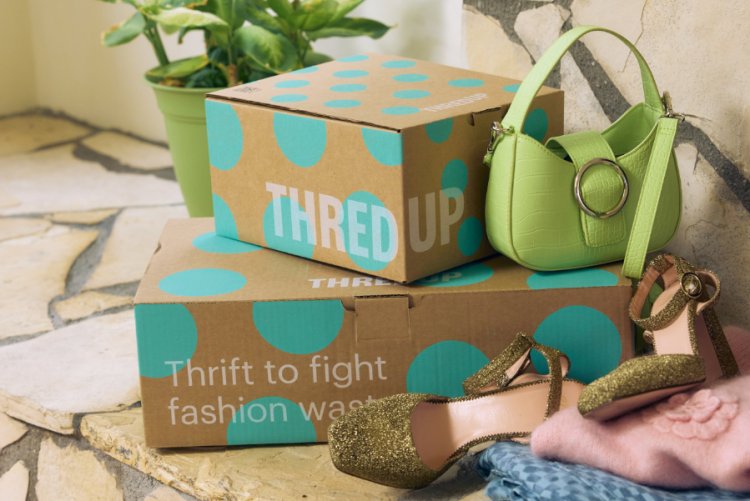
ThredUp, a prominent online resale platform, has announced substantial progress on its sustainability goals as a result of heightened consumer interest in secondhand apparel and the circular economy. Since beginning operations over 16 years ago, the company continues to grow its Resale-as-a-Service (RaaS) service and is developing partnerships with increasingly significant and established fashion brands, putting itself in the driver’s seat for the global secondhand retail movement.
In its latest annual Impact Report, which covers accomplishments in the year 2024, ThredUp reported that it recirculated around 2.3 million secondhand items using its RaaS service last year. RaaS allows partner brands and retailers to launch their own resale channels powered by ThredUp's technology and operational infrastructure. ThredUp has now processed about 200 million items since it was founded, demonstrating the public demand for a sustainable shopping option that not only diverts waste but also extends the lifecycle of clothing.
ThredUp's "Rescues" channel constitutes a large part of the company's business model. It sells items that may have small imperfections (minor stains, small holes, etc.) and would otherwise be thrown away. In 2024, an estimated 771,043 products were sold within this channel, and since the channel has been in place, a total of 6.3 million items have been sold instead of sent to landfill. This is one example of a growing trend in the fashion industry to realize value in items perceived as imperfect to reduce textile waste and provide cheaper options to consumers.
During the year, ThredUp expanded its brand partner network and now has about 50 fashion labels affiliated with their brand. Many notable labels in both the premium and accessible fashion markets are among their original partners, raising the visibility of secondhand clothing and encouraging mainstream acceptance of resale as a shopping behavior. Additionally, with ThredUp's assistance, brands can now implement resale into their business models allowing the consumer to have more options, and with it a lower impact on the environment.
In addition to its commercial operations, ThredUp has an active policy and advocacy component designed to promote slow fashion, as well as responsible production and consumption. In 2024, the company was part of the launch of the Slow Fashion Caucus. The caucus connects industry voices to discuss how public policy can create lasting change in the fashion industry. The caucus is focused on promoting legislation and regulation that reduce the negative environmental impacts of fast fashion and promote innovation in sustainable materials and design.
ThredUp’s environmental impact goes beyond clothing sales. The firm partnered with The AZEK Company to recycle 182,400 pounds (or roughly 82,735 kilograms) of materials in the last year. This represents an increase of 62.9% compared to total recycled in 2023 and highlights the scaling opportunities of its waste reduction capabilities. By recycling the materials and not letting them flow to a landfill, ThredUp is achieving broader sustainability objectives and reducing the carbon footprint associated with clothing disposal.
The company also partnered with American Circular Textiles on policy issues affecting the secondhand market. One such initiative was the launch of a petition to fight double taxation on secondhand goods through sales and use tax laws. ThredUp and its allies argue that taxation like this penalizes sustainable shopping options and limits growth opportunities in the resale market. Removing such impediments will help to further hasten the transition to a more circular fashion economy, as secondhand goods would be relatively more affordable for consumers.
The Impact Report outlines ThredUp’s larger role as a technology-enabled marketplace and a change agent in the industry. The resale market is not immune from difficulties, such as changing consumer spending patterns and new and established competition. However, the report highlights that operational efficiencies, active partnerships, and ongoing focus on environmental goals are critical levers for the company’s success and future growth.
For resale platforms like ThredUp, increased momentum has already been seen as shoppers become aware of the environmental harm of fast fashion. In fact, industry research has projected that secondhand clothing sales will grow steadily in the coming decade as consumers looking for cheaper fashion and sustainable options accept secondhand. ThredUp's combination of tech-based logistics and partnerships with brands put the company in a position to take advantage of both sustainability as a cultural shift for consumers, as well as the growing demand for cheap clothing.
ThredUp's business model exhibits the principles of the circular economy by aiming to keep products and materials in use for as long as possible. When clothing is reused, it helps avoid sending clothing waste to landfills, lowers the need for new clothing to be made (therefore reducing sourcing resources), and generates less greenhouse gas emissions caused by production. And now, resale platforms allow consumers to be part of sustainable fashion without losing variety or quality.
One fruitful aspect of ThredUp's impact is its clear approach to broadening accessibility and attraction of resale, especially by offering it to potential customers who would likely never have visited a secondhand shop, let alone shopped secondhand. ThredUp's evolution of resale into a fashion ecosystem, and encouraging the mainstreaming of resale may have an enduring impact on shifting cultural attitudes toward clothing ownership and consumption. Partnering with popular retail brand brand partners to allow customers to understand and eventually trust secondhand fashion is another means to integrate first clothes and secondhand clothes, with the secondhand in this context potentially valued at the same level as a new clothed popular brands.
Secondly, the broad acceptance of secondhand retail comes at a time when regulatory and societal direction toward reducing clothing waste is developing. The fashion waste contributed through textiles being landfilled every year has been cited in recent studies to constitute a growing percentage of global textile waste. Through partnerships developed in the private and public sector, ThredUp aims to influence this shift its sales marketplace, but with a broader paradigm for incentivizing and scaling circular practices at the market level for the entire apparel industry.
While the resale industry continues to grow, transparency is vital to fostering trust with the consumer. ThredUp reaffirmed its dedication to publishing its Impact Report on an annual basis, reporting metrics on how it is performing operationally, what contributions it is making to lessen environmental impact, and its overall effectiveness in attaining its sustainability goals. This aligns with the increasing pressure for companies to demonstrate public accountability around their climate change strategies and its social impacts.
Industry insiders are already hypothesizing that initiatives like RaaS, channel-specific programmes like Rescues, and networks of recycling could become common features of the retail landscape. As additional brands develop resale or repair programmes, ThredUp and similar channels will be critical in providing the systems, infrastructure, and expertise necessary for these brands to deliver them efficiently, and at scale.
Ultimately, ThredUp's ability to scale its marketplace, make partnerships, and sustain the firm with continued operational sustainability, will position the company to influence the future of fashion. With significant commercial innovations being made, in addition to an explicit sustainability mission, ThredUp appears to be well placed to take advantage of the ongoing state transition towards more responsible consumption, while continuing to facilitate and generate dialogue around fashion circularity.
What's Your Reaction?