UN approves new carbon credit methodology for nitrous oxide cuts from nitric acid plants. Move targets potent greenhouse gas, adds safeguards, aims to help developing nations access abatement tech under Paris Agreement.
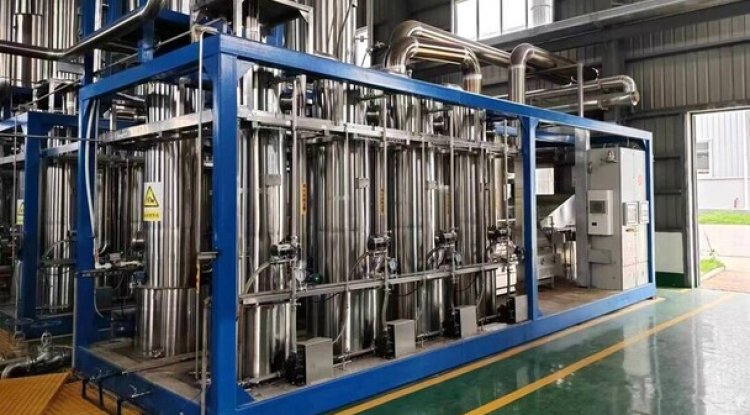
The UN carbon market body has approved new rules for Paris Agreement carbon credits tied to nitrous oxide cuts from nitric acid plants.
The Article 6.4 Supervisory Body adopted the methodology during meetings in Bonn this week. The decision allows projects that reduce nitrous oxide emissions from nitric acid production to generate credits under the Paris Agreement Crediting Mechanism.
Nitrous oxide ranks among the most potent greenhouse gases. Its warming effect exceeds carbon dioxide by a significant margin. Atmospheric concentrations have risen roughly 40 percent since 1980, according to the UN release.
The gas has become a central focus in national climate policy. About 97 percent of recent Nationally Determined Contributions under the Paris Agreement include nitrous oxide targets or measures.
Nitric acid production remains a major industrial source of these emissions. Roughly 400 to 600 plants operate globally, producing nearly 70 million metric tons of nitric acid each year. Most of this output feeds fertilizer manufacturing.
Many facilities operate in developing countries where abatement technology remains scarce. The new methodology allows those plants to install existing tech and issue Paris Agreement carbon credits for verified reductions.
Mkhuthazi Steleki, chair of the Supervisory Body, said the decision delivers emission reductions through the UN carbon market mechanism.
The body added new safeguards to strengthen credit credibility. One tool addresses lock-in risk to prevent projects from extending older high-emitting technologies. The group also revised its additionality standard, which projects use to prove cuts beyond normal operations.
The UN body said more methodologies are under development through its Methodological Expert Panel. Further proposals are expected later this year.
What's Your Reaction?