The United Nations has called for urgent reforms to global food systems after a new study found that millions continue to face hunger despite record food production levels.
The United Nations on Monday warned that global hunger remains alarmingly high despite food systems producing more calories than ever before, calling for urgent reforms to improve access to nutritious food and strengthen resilience against climate change and other shocks.
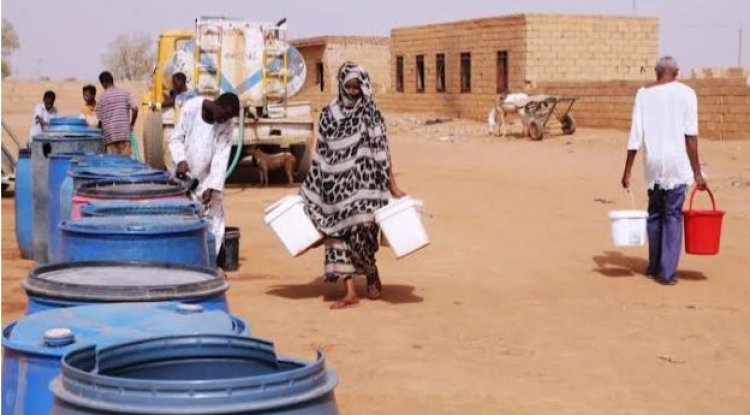
Despite rising food production, millions of people continue to face hunger, higher food production has not translated into food security for all. According to a new UN study, an estimated 735 million people worldwide experienced hunger in 2025. The figures reflect the persistent burden of hunger especially in parts of Africa and Asia where conflicts, climate-related disruptions and economic challenges continue to limit access to nutritious food.
The UN's analysis revealed that increased food supplies have not reached every community, with significant disparities in access to infrastructure, income and essential services across different communities. Food prices fluctuate seasonally in many regions, and droughts, floods and rising agricultural input costs further strain rural livelihoods and limit access to food in urban areas.
The current food systems are not able to ensure access to food by all people at affordable costs and, in many cases, malnutrition and nutrition-related issues are on the rise even within those countries which produce food, according to UN bodies. The current situation demands the adoption of new food systems.
The UN Secretary-General pointed out that food systems must be more resilient to various concurrent crises at least due to climate change, conflicts, and economic insecurity. The Secretary-General called for investing in smallholders, social protection schemes, and connectivity infrastructure between producers and consumers.
Technological advances and improved production practices can play key roles, but they need to be backed by policies that support local food systems, cut food waste and promote equitable policies and benefits for farmers and consumers, experts said. Climate responsive investment options, including in climate-smart agriculture and social protections, were recognised as important to alleviate the burden of hunger.
In urging world leaders, private sector partners and civil society groups to work together on food system transformation, the UN called access to a healthy diet a key part of sustainable development, and a basic human right.
What's Your Reaction?