Vedanta said its renewable energy consumption rose significantly in FY26, contributing to a reduction of about 3 million tonnes of carbon emissions.
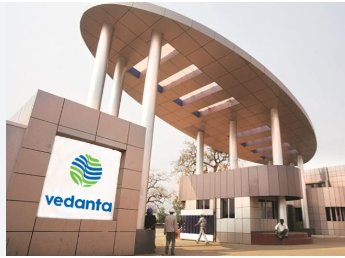
Vedanta reported a significant increase in its renewable energy usage during FY26, with consumption rising by more than 50% to reach 3.97 billion units. According to the company, this shift helped avoid approximately 3 million tonnes of carbon dioxide emissions over the year. The announcement was made on the occasion of Earth Day.
The development comes at a time when industries such as metals and mining are facing growing pressure to reduce emissions while maintaining production capacities. Vedanta operates within several industrial sectors that are closely linked to the demands of energy transitions. Metals like aluminum, copper, and silver contribute to electric mobility, power generation, and renewable energy technologies. Metals such as iron, steel, and zinc continue to be used for construction and manufacturing operations.
The company indicated that there was a decline in emissions intensity in its metals sector, with emissions falling by roughly 15% from fiscal year 2021. This has been linked to improved efficiencies and switching of fuels. The use of biomass as fuel stood at roughly 365 kilotonnes during the year, estimated to have reduced emissions by another half million tonnes.
Water management has also been highlighted as part of operational changes. According to the company, three of its business units have achieved net water positive status, indicating that they return more water to the environment than they consume. This is particularly relevant in regions where industrial operations compete with local water requirements.
According to Vedanta, it has been collaborating with the community in the area on the environment and livelihoods related initiatives, working towards combining its sustainability practices with the economic activities at ground level.
As far as the external recognition is concerned, Hindustan Zinc received the first rank in its respective category in the global sustainability yearbook, whereas Vedanta Aluminium was one of the top 10 companies in the list.
Despite these developments there have been positive developments in the industry, it still faces many challenges in terms of reducing emissions while fulfilling the rising demand for metals and energy in India.
What's Your Reaction?