Wärtsilä’s 2025 plan for zero-carbon ships uses green hydrogen and ammonia to cut maritime emissions, offering India a path to climate-smart shipping.
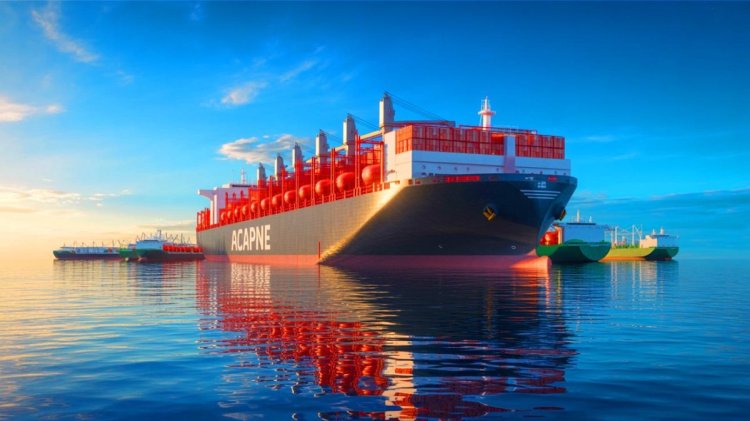
Wartsila’s 2025 masterplan aims to eliminate maritime emissions by 2050, using green hydrogen and ammonia to power zero-carbon ships. The initiative targets shipping’s 3% share of global CO2, supporting the Paris Agreement’s 1.5°C goal. India, with 10 million tons of maritime emissions annually, could adopt these technologies to meet its 2070 net-zero target. Challenges include high fuel costs and infrastructure needs, but the plan offers a blueprint for sustainable global shipping.
Wartsila’s plan focuses on green hydrogen and ammonia, reducing emissions by 95% compared to diesel. Hydrogen-powered ships, tested in Norway, emit only water vapor, while ammonia offers high energy density. India’s National Green Hydrogen Mission, targeting 5 million tons by 2030, aligns with this vision, but production costs, 30% higher than diesel, limit adoption. The plan also includes carbon capture systems, cutting emissions by 90% on existing ships, but retrofitting costs $15 million per vessel.
Environmental benefits are substantial. Zero-carbon ships reduce coastal pollution, protecting India’s 4 million fishers. The 2017 MV Qing spill highlighted shipping’s impact on marine ecosystems, with $100 million in damages. Wartsila’s plan supports biodiversity, aligning with SDG 14. However, only 5% of global ships use green fuels due to limited refueling infrastructure. India’s 10 hydrogen stations contrast with Europe’s 200, requiring $2 billion to scale up.
Economic impacts include job creation and fuel savings. Wartsila’s plan supports 20,000 jobs in Finland, while India’s shipping sector could add 50,000 jobs by 2030. Green fuels save $1 billion in imports annually, but initial costs, at $20 million per ship, deter operators. India’s PLI scheme, with $1 billion for green technologies, supports adoption, but the weaker rupee in 2025 raises costs. Local production, as seen in Japan’s supercarrier, could reduce expenses.
Infrastructure gaps are a major hurdle. Green hydrogen requires specialized storage, costing $1 billion per port. India plans five green ports by 2030, lagging behind China’s 20. Global trends, like Japan’s methanol supercarrier, show progress, but India’s coal-heavy grid (70% of energy) complicates decarbonization. Collaboration with the UAE on hydrogen production could bridge gaps, but geopolitical barriers limit technology sharing.
Socially, coastal communities gain from cleaner air. In India, ship emissions cause respiratory issues for 20% of coastal residents. Community advocacy, as in Kerala’s plastic ban, pushes for sustainability, but only 10% of fishers receive training. Wartsila’s plan could improve health, but public awareness is low, needing campaigns like Toronto’s greening efforts. Vulnerable groups, like India’s fishers, need support to adapt to green shipping transitions.
Regulatory frameworks are evolving. The International Maritime Organization’s 2050 zero-carbon goal drives Wartsila’s plan, but India’s Merchant Shipping Act enforces only 20% of pollution rules. Europe’s $5 billion maritime budget contrasts with India’s $1 billion, highlighting disparities. The UN Ocean Conference in 2025 called for global standards, but funding shortages slow progress. India’s G20 advocacy for climate finance is critical but faces resistance.
Wartsila’s zero-carbon plan offers a path to sustainable shipping. India must invest in green fuels, infrastructure, and policies to reduce emissions, protect ecosystems, and align with global climate goals, leveraging international cooperation.
Source : Sustainability Times
What's Your Reaction?