Western Disturbances bring seasonal rainfall and temperature changes to north India, supporting agriculture while occasionally causing disruptions.
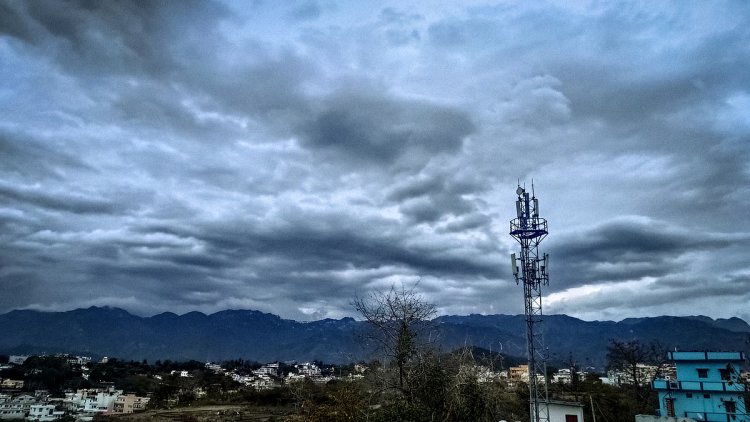
The arrival of unexpected rains and overcast weather conditions in Delhi and North India has yet again brought the Western Disturbances to the forefront. The Western Disturbances are an important factor for the climate of the region during the winters and early spring season. The Western Disturbances arise from regions well beyond the Indian subcontinent.
What is causing the present rainfall?
The latest rains in Delhi and rest of India can be attributed to a Western Disturbance, which normally takes place in winters and early spring seasons in these regions. Western Disturbances are generated outside India and have an impact on temperature and agriculture in north India.
What are Western Disturbances?
Western Disturbances are low-pressure weather systems that is form near the Mediterranean Sea and travel towards the east through countries like Iran, Afghanistan and Pakistan before it reaches to India. It collects moisture before it enters into India. As they reach the Himalayas, the mountains force the moist air to increase. As the air rises, it cools down and turns into rain and snow to India.
When Do They Happen?
These happen mostly between the months of December and March, when they result in rain in the winter in areas like Punjab, Haryana, Delhi, and Uttar Pradesh. On some occasions, they may occur even in April, bringing about rains and lightning storms at an unusual time.
What Is Their Importance for India?
Although associated with sudden climatic changes, there are numerous positive impacts of western disturbances on India. The winter rain caused by western disturbances is crucial for crops planted during winter, like wheat and mustard, because it keeps the soil moist. Moreover, the snowfall in the Himalayas is important in the summer due to glaciers and rivers.
Furthermore, such weather systems assist in balancing the temperature. The cloud cover and precipitation provide temporary relief from excessive temperatures in northern cities. They even help in improving the quality of the air as they reduce pollution.
What Are Some Risks Associated With Them?
However, certain exceptions to the effects of these phenomena are possible. Strong Western Disturbances can result in rainfall, hailstorms, and landslides in hilly regions, thus influencing human life. In urban areas, floods may be caused by rainfall in cities like Delhi.
Why Do They Matter for Weather Forecasting?
Meteorologists pay special attention to such weather conditions while forecasting the seasonal weather changes. They may differ in occurrence and severity every year.
The Broader Context
The significance of Western Disturbances should be realized since they have an active influence on weather patterns in the northern region of India. Though Western Disturbances cause storms and precipitation, they are significant because they cause winter rainfall, snowfall in the mountains, and irrigation of crops.
What's Your Reaction?