World Energy Day, experts say, is not just symbolic. It is a reminder that the choices made today, in policy and in business, will decide what kind of energy system India builds for the next generation
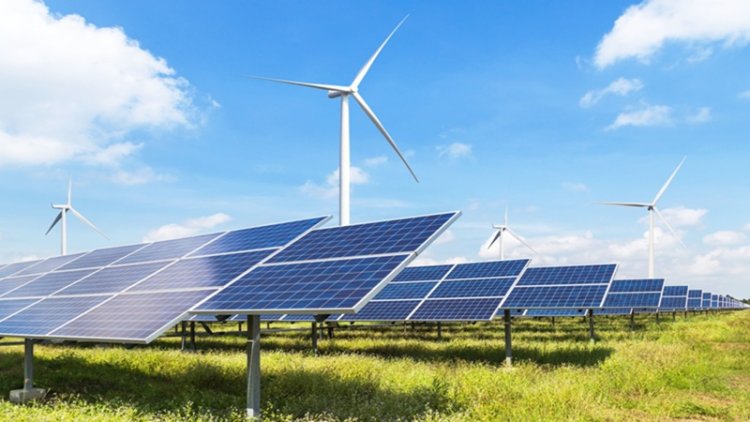
On World Energy Day, industry leaders said India’s energy transition must move from intent to execution, with stronger investment in renewables, domestic manufacturing and cleaner technologies.
For Anand Kabra, Chairman and Managing Director of Kabra Extrusion Technik and Geon, energy is deeply linked to everyday progress. “Energy is not just a resource, it helps people grow, build and move forward,” he said. He believes the shift towards cleaner systems is not optional anymore. More companies are asking for solutions that cut emissions but still make business sense.
Kabra said the focus is on practical projects that lower carbon output without slowing industrial growth. He added that clean energy cannot be the job of one company or one government scheme. “We need to work together and take action. Only then can we create green, affordable and lasting energy for all,” he said.
Gautam Mohanka, Director at Gautam Solar, sees the moment as bigger than a sectoral shift. “Energy is not just a basic utility. It is the foundation on which economic growth, equity and ecology stand,” he said. He pointed out that most of the world's emissions still come from fossil fuels despite countries' claims that they will achieve 2030 emission reductions and 2050 net-zero targets. "That gap cannot continue," he said.
For solar manufacturers, the transition is both a responsibility and a business opportunity. Mohanka said improving module efficiency and strengthening domestic production are key if India wants reliable and affordable solar power at scale. It is not just about adding capacity, he noted, but about building systems that last and perform well.
The government’s recent Budget allocations reflect that urgency. The government has allocated financial resources to support the development of renewable energy sources, green hydrogen production, battery storage facilities and the enhancement of transmission systems. The Indian government has increased its support for domestic solar manufacturing, which demonstrates its intention to decrease import dependency while establishing an internal supply chain network.
According to industry leaders, the financial support should be welcomed, but its success will depend on how well they implement their plans. Storage, grid stability and last-mile access remain weak spots. Without fixing those, renewable targets will remain numbers on paper.
Both Kabra and Mohanka agree on one point. Clean energy is no longer only about climate targets. It is about economic resilience. It is about making sure India can power its growth without locking itself into old systems that are expensive and polluting.
World Energy Day, they say, is not just symbolic. It is a reminder that the choices made today, in policy and in business, will decide what kind of energy system India builds for the next generation.
What's Your Reaction?