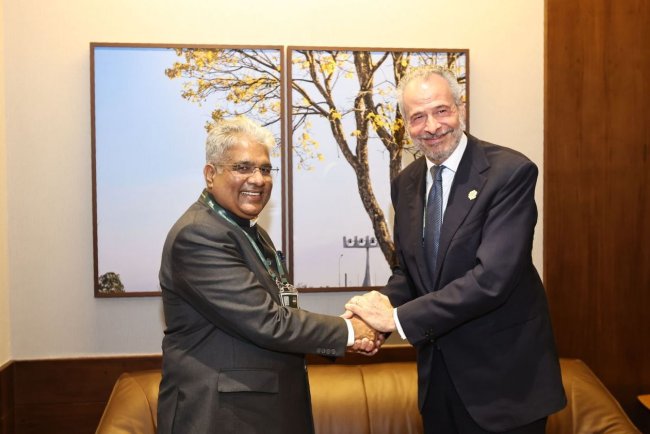
India and Seychelles celebrate 50 years of diplomatic relations by highlighting conservation, biodiversity protection, climate resilience, and sustainable maritime cooperation.
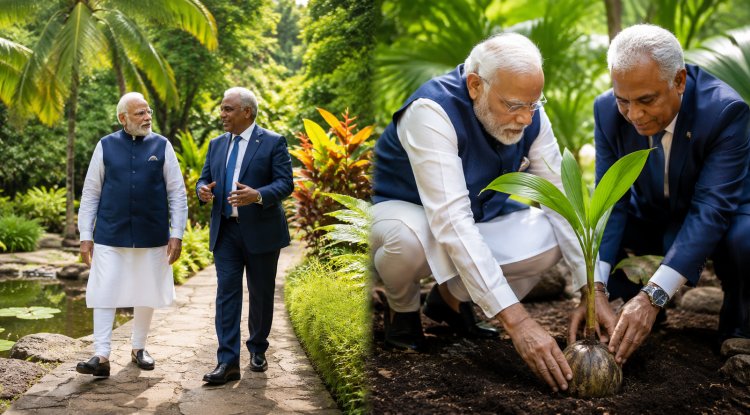
International diplomacy can be seen as a formalised process of boardrooms, well-crafted joint statements, and formal handshakes against the backdrop of flags. But some of the longest-standing coalitions are forged long before politics gets in the way, instead on the common ground of cultural history and environmental care. This organic approach to international relations was evident when Prime Minister Narendra Modi, on a high-profile state visit to Seychelles, visited the Seychelles National Botanical Garden in Victoria amid its picturesque and serene surroundings. The Prime Minister’s walk through the historic sanctuary reflected the strategic and environmental dimensions of the partnership, ending with a personal address to the people of Seychelles by Dr Patrick Herminie, the President of Seychelles, who participated in the event with the Prime Minister.
This visit is of tremendous historical significance as it comes at the right time, during Seychelles' Golden Jubilee week celebrations of the National Day, which Prime Minister Modi is attending as the Guest of Honour. It is also a moment when the formal relations between these two Indian Ocean democracies become 50 years old. The visit to the Botanical Garden underscored the critical human and environmental dimensions that are integral to these security frameworks, highlighting the need to balance economic development with sustainable maritime security. The tour of the Botanical Garden emphasised the importance of the human and environmental aspects of maritime security, as well as the need to ensure the sustainability of economic development in this region. The Prime Minister's emphasis on an ecological site as the first stop on his formal agenda highlighted an important fact: climate resilience and biodiversity conservation are central elements of national sovereignty for island states and coastal democracies.
The highlight of the afternoon was when the two leaders got to meet some of the world's most extraordinary creatures in the famous Giant Tortoise Enclosure at the garden. The Prime Minister dedicated some time to feeding and interacting with the Aldabra giant tortoises, which are an endangered species found in the Seychelles archipelago and are emblematic of longevity, resilience, and the precarious beauty of isolated island ecosystems. It was a historic moment when the delegation was introduced to Jonathan, the world's oldest living land animal, recognised as a giant tortoise 194 years old. Jonathan has been around since the 1830s and has survived centuries of human industrialisation, from the days of pre-twentieth-century steam engines to the dawn of the digital age. The sight of an international leader stopping to feed an animal that has witnessed changes in the world over nearly 200 years was a reminder of humanity's collective responsibility to ensure that the planet's natural heritage remains protected.
This common concern for the preservation of the environment took a tangible form in a tree planting ceremony jointly celebrated within the garden premises. Prime Minister Modi and President Herminie planted a sapling of the legendary Coco de Mer palm species that grows naturally only within Seychelles and is world-famous for its largest seed and heaviest fruit in the plant kingdom. The symbolic planting was carried out in the spirit of India's environmental initiative, which aims to rebuild the environmental landscape and promote sustainable lifestyle habits around the world. The two leaders' commitment to strengthening friendship through the planting of an exotic, rare, and endemic species such as Coco de Mer will remain a symbol of environmental cooperation for years to come.
This is part of a wider, strategically thought-out partnership between India and Seychelles on global climate policy. India has advocated for efforts to provide specific resources, funding, and advanced technological transfers to support vulnerable island states in coping with the impacts of climate change, including sea-level rise and extreme weather events. The Prime Minister's interaction with the flora and fauna of the host country, and his emphasis on the threats facing them, highlighted that India's geopolitical relationship in the Indian Ocean is based on mutual respect and cooperation.
The overall atmosphere of the visit reflected cultural connections and people-to-people ties between the two countries. The Prime Minister was greeted with a lively tarmac reception by the Western Indians, with traditional dancers from Kutch performing a tribute to the historical connections between the western part of India and the East African coast. The day's events were marked by the active involvement of the Indian community, highlighting the strong bond between the two countries.
In conclusion, the afternoon in Victoria's botanical reserve demonstrated how the natural world can become an important element of modern statecraft. As India and Seychelles enter the next fifty years of diplomatic relations, both countries remain committed to building upon their shared values, and the newly planted Coco de Mer sapling serves as a reminder of their environmental cooperation. By combining the protection of rare and vulnerable biodiversity with maritime diplomacy, both countries highlight the importance of safeguarding fragile ecosystems that support life on the planet.
What's Your Reaction?