Delhi-NCR has activated GRAP Stage-I measures after air quality slipped into the ‘Poor’ category, raising concerns over rising pollution and public health risks.
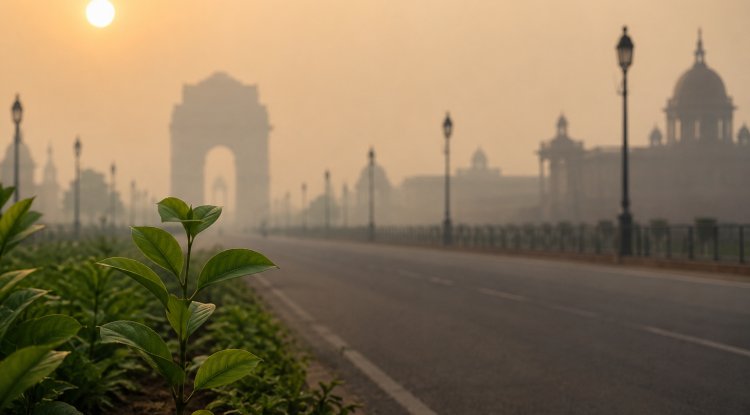
With air quality in Delhi-NCR slipping into the ‘Poor’ category, the Commission for Air Quality Management (CAQM) on Tuesday activated Stage-I of the Graded Response Action Plan (GRAP) across the National Capital Region with immediate effect.
As per the report published by the CPCB, the AQI of Delhi stood at 208 on May 19. After analysing the present level of pollution and weather predictions by IMD and IITM, it was predicted that the air quality would stay poor for the next few days.
In order to avoid any further worsening of the air quality, CAQM ordered all the departments concerned in NCR to take immediate steps through GRAP Stage-I.
The measures mainly focuses on managing dust pollution, vehicular pollution, garbage burning, and industrial pollution – among the primary sources of worsening air quality in Delhi.
There have been directives issued to strictly monitor dust pollution at construction and demolition sites, where dust pollution must be managed through the use of anti-smog guns, watering, and covered transport of construction waste.
The government has also stepped up its initiatives towards preventing open burning of waste and biomass, while municipal authorities have been asked to ensure that there are regular removal of waste and its proper disposal.
Vehicle pollution has been yet another cause for pollution concerns. The traffic police have been asked to check the pollution certificates of the vehicles and ban polluted vehicles from operating, besides ensuring smooth vehicular flow through congested areas. Overaged petrol and diesel vehicles will not be allowed to operate in NCR.
These industries, brick kilns, and hot mix plants have been directed to adhere to emission norms strictly and burn only permissible fuel. Otherwise, the penalty for non-compliance will be closure.
Further, the CAQM has recommended that citizens can help in controlling pollution by ensuring proper maintenance of vehicles, not idling vehicles unnecessarily at traffic signals, minimising the burning of garbage, and using electric or hybrid vehicles whenever feasible. Citizens have been requested to lodge complaints regarding pollution through applications like the Green Delhi App, SAMEER App, and 311 App.
Delhi’s pollution problem has been warned against by many experts for being non-seasonal due to increased temperature, dust storms, vehicular pollution, construction work, and climatic weather changes.
According to health experts, poor air quality may lead to respiratory disorders, cardiac ailments, irritated eyes, exhaustion, and stress, particularly in children, older people, and those suffering from pre-existing illnesses.
CAQM said that all departments in the NCR region would keep track of the situation to make sure that the AQI did not worsen any further.
What's Your Reaction?