Deliberate wildfires in Eston Hills, Teesside, are causing severe harm to local wildlife, putting pressure on emergency services, and alarming residents. Authorities are forming a taskforce to address the issue through enforcement, education, and potential land protection measures.
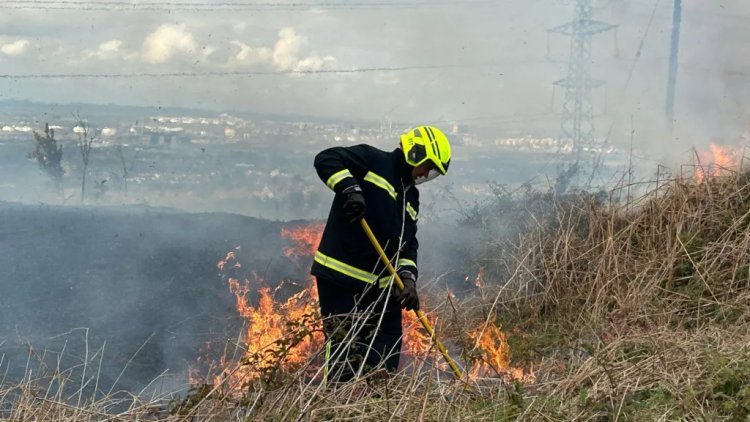
A spate of deliberate fires across Eston Hills, Teesside, is causing serious damage to wildlife and green land, causing concern among residents, conservationists, and fire fighters. Cleveland Fire Brigade reported that it is being increasingly forced to divert resources to deal with such incidents at the expense of its ability to deal with other emergencies across the area.
Locals have been shocked at the scale of such fires, at a time when it is peak bird and other wildlife nesting season. Groundfirefighters have reported that they have witnessed extensive habitat and bird nesting loss, and far-reaching implications for local biodiversity. Locals like Rita Richardson have complained vociferously, at the emotional loss of viewing the hills, an already sparse wildlife reserve, being repeatedly consumed by fire.
The scale of the problem has prompted MP Anna Turley to set up a taskforce to tackle the fires more effectively and in a unified way. It will include the Cleveland Police, Cleveland Fire Brigade, Redcar and Cleveland Council, and volunteer groups from the local community. Recommended among the proposed is the suggestion that the Eston Hills area be extended into the National Park of North Yorkshire Moors, which will further protect the environment and consolidate the policies on land use.
Cleveland Police has escalated extra patrols into Eston Hills and deployed drones to sweep the surface for initial spotting of fire ignition. Despite all this, the enforcement is inefficient due to the openness of the hills and random fire ignition in frequent instances. The public has been asked to report unusual incidents anonymously through FireStoppers, with the government assuring them that cooperation is key to prevention from further loss.
The fire department informed us that although the frequency of fires depends on the weather, the risk becomes disproportionately greater as the temperature rises and dry vegetation cover is easily ignited. They warned that these deliberate fires not only endanger wildlife but also become hazards to human life, ruin a beloved public space, and put an enormous financial strain on emergency services.
Locals residing around the region and ecologists are concerned that unless strong measures are taken, then the ecological equilibrium of Eston Hills will never again be regained after it has been lost. Eston Hills provide a unique habitat for scores of species during spring and summer months when all the birds, mammals, and insects breed and forage.
The expense of such activity to fund and in emotional terms is high. Piled on top of that are expenses to emergency responders and public concern for safety and loss of open space recreation. Families, hikers, and outdoor recreationists who utilize the hills for multiple recreational purposes have had their access disrupted or rendered unsafe due to multiple occurrences of fires and aftermath.
Taskforce reaction also involves increased educational activity at local schools and youth groups to inform the public about the risks of fire starting, increased monitoring and analysis of legal methods to deter and penalize offenders more severely.
The Eston Hills fire is only reflective of a broader national pattern, with UK fire authorities experiencing a consistent escalation in the number of wildfires in the past few years. These are mostly human causes, either intentional or unintentional. Climate change, which will be in the form of hot and dry summers, has been cautioned by specialists as a possibility to heighten the danger of wild fires all over Britain, and preventive action becomes even more necessary.
Natural England and the other conservation bodies have recognized the importance of preserving sites such as Eston Hills that provide ecosystem services, habitat for native wildlife, and increase the area's climate resilience. Regular burning of vegetation can lead to soil erosion, reduced carbon sequestration, and worse water quality for streams and rivers.
Since the taskforce is now ready to create a general action plan, officials and local constituents alike are of one mind that the challenge will require a concerted, long-term effort. More policing, better community relations, harsher punishment, and better land management techniques are all on the agenda for the future strategy.
The value of Eston Hills to the local environmental and cultural heritage cannot be overstated. Preservation of it from further destruction will not only preserve a priceless natural resource, but also give future generations the chance to appreciate its biodiversity, landscape, and leisure value.
Source and Credits:
Source: BBC News North East and Cumbria | Author: Tom Burgess | Cleveland Fire Brigade, Cleveland Police, Anna Turley MP, FireStoppers
What's Your Reaction?