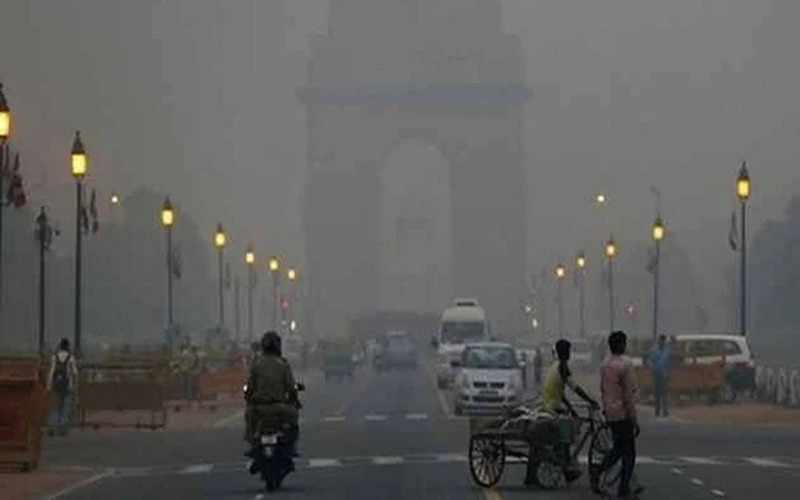
Experts are urging policymakers to prioritise public infrastructure and local urban solutions over high-profile mega projects to create more sustainable, equitable and climate-resilient cities.
In the context of India's rapidly growing urban population, new questions have been raised regarding future investments and the need for a better approach, with urban planners, sustainability experts and other stakeholders advocating for reallocating investment from high-profile mega structures towards public infrastructure and community-focused solutions.
In an opinion piece, experts state that although large infrastructure projects such as expressways, metros and urban landmarks have garnered media coverage and political attention, they do not necessarily lead to everyday improvements in cities that make them more liveable, equitable and climate-resilient.
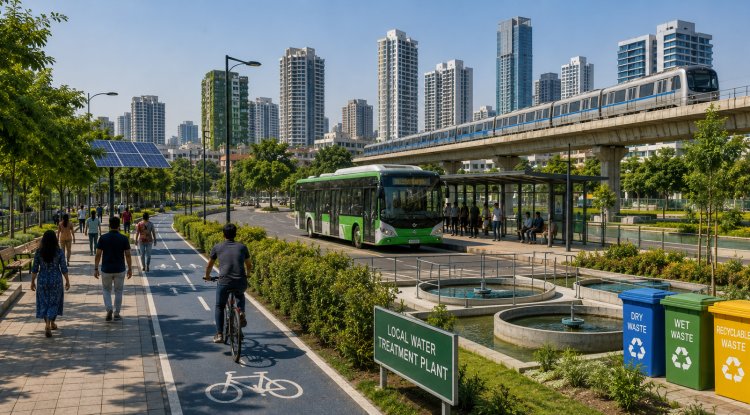
Pedestrian networks, public transport services, local water treatment plants, green spaces, and waste management services are the pillars of sustainable urban life. Investment in these areas not only directly reduces congestion but also lowers greenhouse gas emissions, improves air quality, and enhances the quality of life in neighbourhoods across all income levels, the article says.
The report highlights the importance of providing easy access to basic amenities like good transport facilities, safe walking and cycling pathways, decentralised waste management system, and drainage system that can cope with heavier rainfall. Public infrastructure investments, if made properly, can definitely make an impact, particularly for those areas which are more susceptible to the effects of the environment and do not get any “big ticket investments.”
The experts also say that sustainability is not just about carbon emissions; it is about creating inclusive systems that enable all city residents to live affordable, healthy, and resilient lives. They add that there is a need to rebalance policy frameworks and funding mechanisms to ensure that megaprojects support, rather than replace, the investments cities need most.
The opinion piece highlights bottom-up investments and local infrastructure projects that can deliver both environmental and economic benefits. It cites examples from cities around the world that have successfully implemented local solutions, ranging from decentralised wastewater treatment systems in smaller towns to expanded bus rapid transit corridors in major metropolitan areas, contributing to broader climate goals.
While India is poised to host some big international fora and continue its pace of urbanisation, public infrastructure development can help cities inch towards becoming engines of sustainable growth rather than just flashy development, say advocates. While it may not be a news-making event, a change in priorities can be the catalyst for transformative action toward a more sustainable and equitable urban future.
What's Your Reaction?