Smart packaging technologies such as RFID, sensors, and temperature indicators can help reduce healthcare waste by improving medicine tracking, preventing spoilage, and strengthening supply chain management.
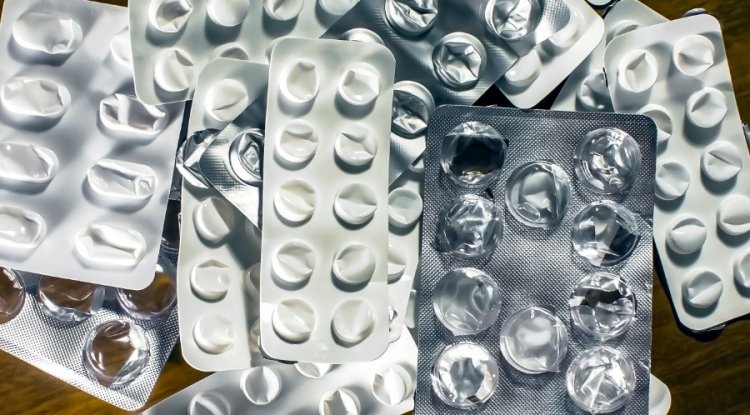
Healthcare packaging waste is drawing fresh scrutiny as hospitals and pharmaceutical suppliers turn to smart packaging systems to cut down on landfill-bound plastics and spoiled medical supplies, according to a report published by Body+Mind Magazine.
Packaging makes up 85% of the healthcare sector's non-hazardous waste, and the industry as a whole contributes close to 2% of urban waste overall. Much of that comes from the need to move medical devices and pharmaceuticals from labs to hospitals, clinics and nursing homes — a process that generates waste even when it works exactly as intended.
The report points to several packaging innovations already cutting into that total. RFID tracking and embedded sensors now let suppliers monitor product quality in real time during transport, flagging expiration risks before drugs go to waste. Pairing that tracking with active packaging — materials designed to inhibit microbial growth and control moisture — extends shelf life further.
Cold-chain failures are another target. An estimated 12% of the world's food supply is lost to inadequate refrigeration, and pharmaceutical products face similar risks from heat exposure. Time-temperature indicators built into packaging now give handlers a visual and chemical record of a product's thermal history, making it easier to catch degraded goods before they reach patients.
Smart packaging is also being used to address over-prescribing. Digital pillboxes that log when doses are taken — and alert providers when they're missed — aim to keep medication use in line with what's actually prescribed, cutting down on stockpiled or expired drugs.
Counterfeit prevention rounds out the list. Smart labels with tamper-detection features are helping suppliers verify that pharmaceutical products are genuine, addressing both patient safety and the resources wasted on counterfeit goods that are eventually discarded.
Industry analysts say the technology represents a shift from reactive waste management to prevention built into the supply chain itself. For healthcare providers facing rising disposal costs and tightening environmental regulations, the systems offer a way to address both problems using the same infrastructure.
What's Your Reaction?