India has emerged as one of the strongest improvers among major economies in the WEF's Energy Transition Index 2025, driven by gains in energy efficiency, clean-energy investment and expanding access to power.
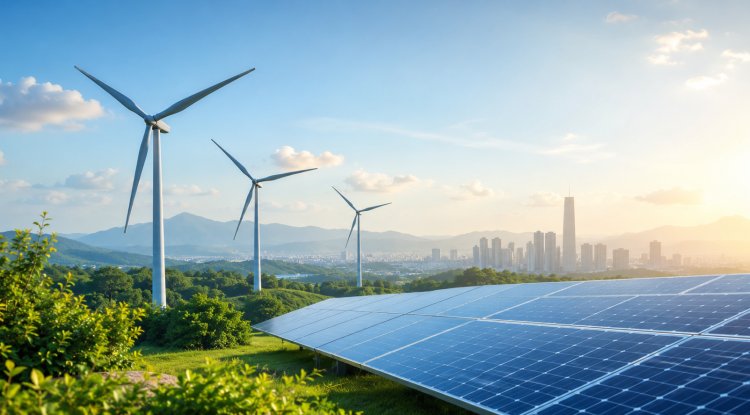
India has emerged as one of the strongest performers among major economies in the global energy transition, even as overall readiness for the transition to cleaner energy systems slowed worldwide, according to the latest Energy Transition Index (ETI) 2025 released by the World Economic Forum (WEF).
The report mentions that although there has been the most rapid progress in the energy transition globally since the time of the pandemic, there are many countries that continue to struggle with issues around energy security, infrastructure, finance, and policies. The readiness of the transition is not progressing as quickly as the performance of the energy systems because many nations are moving forward in clean energy adoption without proper foundations.
India was ranked 71st among 118 countries in the 2025 index, compared to 63rd in the previous edition. However, the WEF noted that India, along with China, recorded some of the strongest overall improvements among large economies, particularly in energy efficiency, investment capacity and expanding access to energy.
According to the report, India's progress has been supported by improvements in energy efficiency, growing renewable energy investments, better regulatory frameworks and efforts to reduce emissions while maintaining energy access for a large population. The country has also expanded electricity access and accelerated deployment of solar and wind power in recent years.
The energy transition pathway of India is exceptionally complicated due to the fact that the country has to achieve three important objectives simultaneously, namely affordability of energy, energy security, and reducing carbon emissions. In contrast to most developed nations, India keeps experiencing increasing energy use as a result of industrialisation and urbanisation.
India has made significant progress in using renewable energy sources, through solar parks and wind energy, as well as by making investments in green hydrogen. The National Green Hydrogen Mission, along with other government efforts including those on solar manufacturing and electric vehicles, are poised to improve India's transition readiness in the future.
However, challenges remain. The report highlights deficiencies in infrastructure, the need to modernise the grid, reliance on external sources of energy, as well as the need to invest in green technology solutions.
Worldwide, Sweden was still leading the rankings in the Energy Transition Index, while Finland, Denmark, Norway, and Switzerland were placed second through fifth place respectively. All these countries were acknowledged based on their robust policies, diverse sources of energy, and long-standing sustainability.
The findings are made in light of the fact that global investment into clean energy surpassed the $2 trillion mark in 2024. Although record amounts have been invested into green energy, there are still issues related to energy security and increased emission levels.
India’s prospects with regard to improving its standings in such reports in the coming years may be improved with the continuation of investments in renewable energy, transmission, energy storage, and clean production. With respect to India’s goal of achieving zero-net emissions by 2070, its transition readiness is bound to play a more significant role in the years ahead.
What's Your Reaction?