India is preparing to meet a record 300 GW peak power demand by expanding generation capacity, strengthening grid infrastructure, and accelerating its clean energy transition.
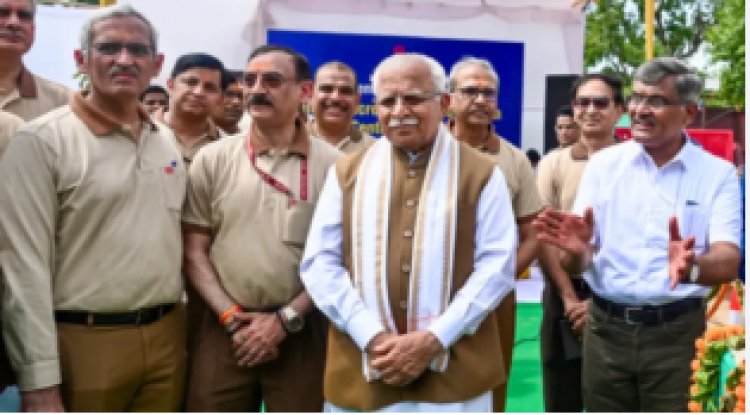
India is preparing for its highest-ever power requirement of 300 gigawatts in the coming year, considering the continuous growth in power consumption, which is driven by India’s fast pace of industrialisation and urbanisation, expansion of digital technology, and the increasing energy demands of energy-intensive industries like data centers. According to Union Power Minister Manohar Lal, the Indian government is building its power infrastructure to meet this demand.
While addressing the Vibrant Gujarat Regional Conference in Vadodara, Manohar Lal claimed that India had managed to achieve its record peak power demand of 271 GW in May 2026 without facing any significant shortage of electricity. In order to cater to the future requirements, India has already installed an additional capacity of 284 GW of power this year and plans to add 30 more GW capacity.
According to the minister, the energy needs of India have increased two-fold in the last decade. The maximum demand reported in 2014 was of 136 gigawatts (GW). There were always shortages due to power supply constraints. But, with adequate planning and development, it is now possible to satisfy even higher demands.
Some of the factors contributing to the increase in electricity demand include the rapid expansion of data centers, manufacturing processes, e-mobility, and digital infrastructure. Higher domestic use of electricity, industrial activities, and economic growth are other reasons for record electricity demand in the country.
Khattar said the government has continued to strengthen India's energy security despite geopolitical uncertainties affecting global energy markets. Reforms in the power distribution sector have improved the financial health of electricity distribution companies while helping deliver more reliable services to consumers.
Renewable energy remains central to India's power expansion strategy. Gujarat, which has developed more than 50 GW of renewable energy capacity, is playing a leading role in the country's clean energy transition and the development of the ecosystem required for the National Green Hydrogen Mission, the minister said.
Overall, India’s energy policy seeks to balance conventional and renewable energy sources through development of the transmission infrastructure, flexibility in the grid system, and energy storage capacity. These initiatives are believed to be critical in addressing the growth in renewable energy production and ensuring reliable energy supply during peak times of consumption.
Since it is believed that the consumption of power will only increase in the upcoming years, there has been a shift in priorities for the government towards constructing a stronger, more efficient and futuristic power grid which can support the economic aspirations of India.
What's Your Reaction?