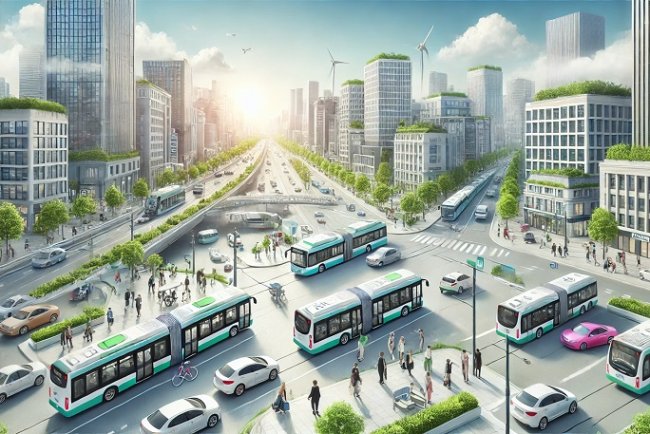
As fuel anxieties reshape Indian kitchens, households are rapidly choosing electric convenience over dependence on imported LPG
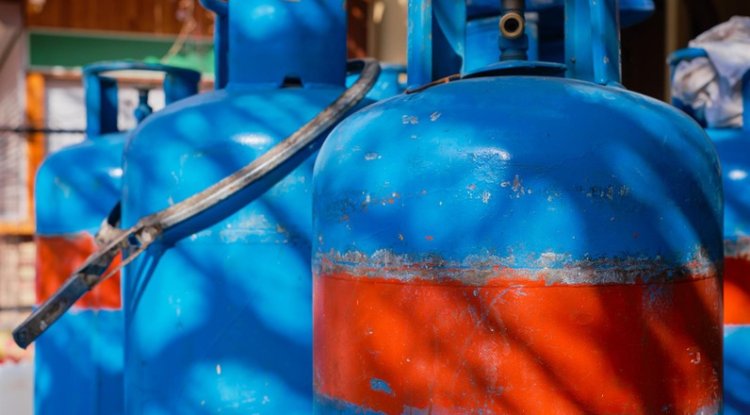
Slowly, the blue embers that emanate from Indian households when the gas is turned on are being replaced by an electric hum. Soon, the childhood memories of the cooker whistle too may be replaced by their electric counterpart, as India embraces induction stoves amid concerns over the scarcity of Liquefied Petroleum Gas (LPG) cylinders. This is a response driven by households fearing that global supply chain disruptions could disrupt their normal lives.
India is a country that relies heavily on LPG for cooking, much of which is imported. With the eruption of war and the shutdown of the Strait of Hormuz, rumours of an LPG shortage seeped less gas and more fear into Indian homes, leading to panic purchases. Even though cylinder hoarding is common, many consumers fearing a gas shortage thought of bypassing the hoarding and insuring themselves with technology. This energy hedging is said to have surged sales by a whopping 30% in just one month – March 2026.
Cost-effectiveness is another reason people are turning to induction cooking. While on paper, the government has pegged cylinder costs at around Rs. 900–950 with a three-day turnaround, delivery timelines have now stretched from five days to a week, and in some cases, almost a month. On the black market, the scarcity is making people pay between Rs. 3,000–5,000 per cylinder. That is quite a deep hole in the common man’s pocket.
No doubt e-commerce platforms such as Amazon India reported a 30x surge in induction stove sales, while Croma saw a 3x increase in demand. In fact, the surge was so high that inventory shortages were reported in major cities such Bengaluru, Delhi, Kolkata, and Mumbai,.
But what about the myths that always surrounded the induction stove, keeping it as the last choice among consumers? Induction is often considered a no-no for heavy kadhais, too expensive, or suitable only for boiling water. New purchasers, however, have discovered many of these to be myths, as induction cooktops are said to be 90% efficient compared to 40–50% for gas. In a country where every rupee counts, consumers are now trusting the plug over the pipe.
Besides induction stoves, there has also been a surge in other electric kitchen appliances. But what more is India buying? Electric cookers, electric kettles, and air fryers. “Set it and forget it” is becoming the lifestyle mantra of 2026. And that is not all. As induction stoves require compatible cookware, such as stainless steel or cast iron, consumers are also purchasing three-piece stainless steel sets along with induction cooktops, further boosting the ‘Made in India’ push.
While single-burner induction stoves are emerging as local heroes in Tier 2 and Tier 3 cities, Tier 1 cities are moving towards smart kitchens with multi-zone induction hobs.
However, while everything is becoming smarter, there is also the not-so-good news. Although the surge in demand is nowhere near declining, it is likely to result in the purchase of cheap, unbranded induction plates bought in panic, which could eventually add to mounting e-waste. This is a new problem the country may not yet be ready for.
Another challenge is that most induction cooktops are likely to be switched on around 7 am or 8 pm, common cooking hours in households. Will the sudden 2,000 W load be manageable? Are residential societies prepared for this new source of friction among neighbours?
What next?
This is why we are moving towards uninterrupted kitchens powered by electric stoves. Towards cleaner energy. And once consumers have experienced the convenience, chances are that few will want to return to the pipe. This is a coming-of-age story for the Indian household, a turning point where homes are choosing efficiency over tradition.
The ongoing US-Iran ceasefire will be a relief to many individuals, industries, and small food establishments in the days ahead. But what about migrant workers already leaving cities because of cylinder shortages, the vulnerability of securing even a basic meal, or the smaller eateries forced to shut down due to intermittent supply.
One can only hope that the government addresses this infrastructure gap so that no home in the country is affected by import dependency or a lack of basic amenities in the future.
About the author: Mitchelle Castellino is a Communications Associate at the Centre for Family Business and Entrepreneurship at the S.P. Jain Institute of Management & Research (SPJIMR).
Views are personal
What's Your Reaction?