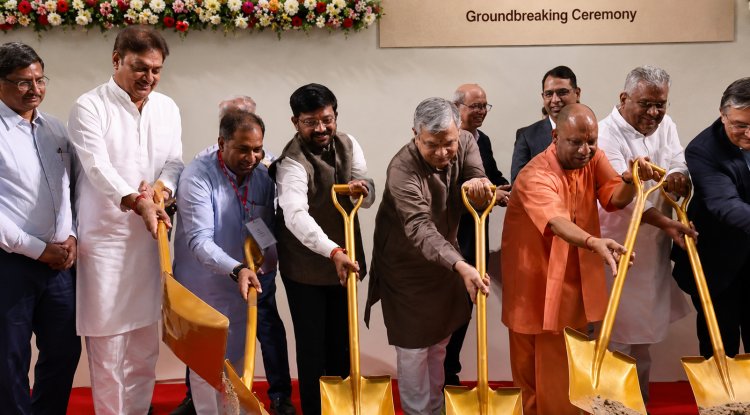
The central government has signed Jal Jeevan Mission 2.0 reform agreements with five states and one Union Territory to improve rural drinking water management, water quality monitoring and long-term system sustainability.
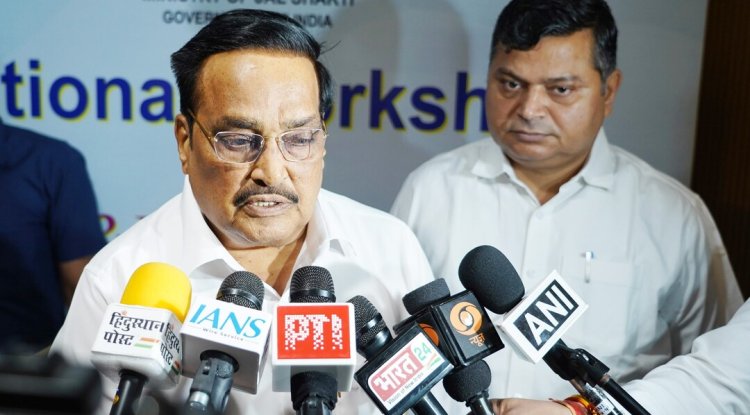
The Central government has signed Jal Jeevan Mission 2.0 reforms agreements with five states and one Union Territory for better management and operations of rural water supply systems.
Five states - Arunachal Pradesh, Jammu & Kashmir, Nagaland, Punjab, Uttar Pradesh, and Uttarakhand have signed the reform agreement, making it a part of the next stage of the Jal Jeevan Mission, wherein emphasis will be made on improving service delivery and maintenance of the infrastructure that is already available rather than constructing new infrastructure.
According to the Ministry of Jal Shakti, these agreements contain reform elements such as water quality testing, village water scheme operations and maintenance, financial management, and public participation.
Jal Jeevan Mission, launched by Prime Minister Modi in 2019, aimed to ensure the provision of functional household tap water connections in all rural houses of the country. JJM 2.0 agreements are signed following the successful completion of the first stage, wherein water connection has become commonplace among many rural households in India.
As per the proposed agreement, both states and the Union Territory are to work towards enhancing the capabilities of the institutions that are mandated with overseeing water distribution systems at the local level. Village-based institutions are to assume a more pronounced role in oversight operations.
The reform program seeks to introduce improvements to the testing and surveillance system regarding water contamination in areas where fluoride, arsenic, and iron have been detected in higher concentrations. In addition to this, state authorities are expected to enhance monitoring and reporting mechanisms.
Source sustainability and water conservation are some of the components covered under the new reform agenda. Various regions are still facing issues associated with water shortage, depletion of underground water levels, changes in weather patterns, and an increased need for water. According to some officials, sustainability would depend on both infrastructural maintenance and effective management.
Another aspect addressed under the agreement pertains to financial sustainability. States are to devise measures that ensure sustainable financing and maintenance of the water supply system in rural areas.
According to the government, the success of the agreement will be evaluated using performance assessment measures. The model is expected to enhance the effectiveness of drinking water supply systems in the countryside and ensure that water facilities built within the Jal Jeevan Mission perform effectively for a long time.
The signing of the agreement signifies the start of the implementation stage of Jal Jeevan Mission 2.0.
What's Your Reaction?