Indian Experts Address Ocean Plastic Crisis Ahead of UN Summit
Indian marine experts are raising alarm on the escalating ocean plastic pollution along India’s coastline, stressing its harmful effects on marine biodiversity and human health. Ahead of the UN Ocean Conference 2025 in France, they call for a global treaty to reduce plastic waste, enhance recycling, and strengthen waste management. India faces challenges such as poor enforcement of single-use plastic bans and declining recycling rates. Innovations in recycling technology and community engagement offer hope. The conference is a critical platform for India to advocate sustainable solutions, international support, and increased domestic investment in circular economy initiatives to protect oceans and marine resources.Indian marine scientists warn of the growing ocean plastic crisis threatening marine life and ecosystems, urging urgent action at the UN Ocean Conference.
Indian marine scientists are sounding a loud alarm about the plastic pollution crisis clogging the country’s coastline, where it’s wreaking havoc on marine life and fragile ecosystems. With the United Nations Ocean Conference (UNOC3) set for June 9-13, 2025, in Nice, France, they’re demanding fast action to tackle this huge threat to India’s seas. France and Costa Rica are steering the conference, which aims to hammer out a global plan to protect oceans. India’s troubles make it clear we need the world to team up on this.
Plastic trash is a massive headache in India. Garbage from crowded cities and coastal towns washes through rivers like the Ganges and Yamuna, dumping into the sea. A study with 58 scientists from 19 countries, including India, called plastic pollution one of the biggest dangers to ocean creatures. India’s booming urban areas, lousy waste systems, and obsession with single-use plastics are making things worse. About 11 million tonnes of plastic flood the world’s oceans yearly, and India’s huge population and 7,500-kilometer coastline add a big chunk.
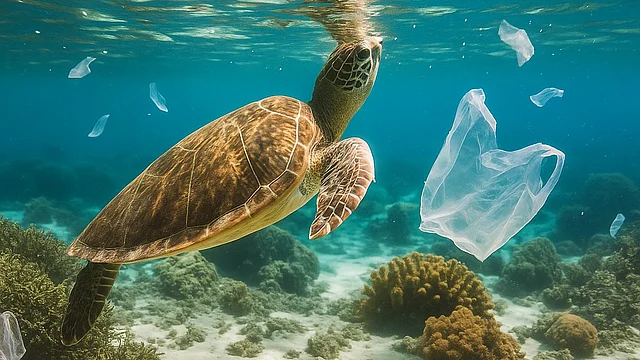
The damage is brutal. Fish, turtles, and seabirds mistake plastic for food or get tangled in it, often dying painfully. Plastic breaks into tiny bits—microplastics—that fish eat, which can end up in our seafood and possibly mess with our health. Plastics also carry toxic stuff like pesticides, polluting water and trashing ecosystems. India’s coral reefs and mangroves, which protect coasts and support wildlife, are in serious trouble.
UNOC3 is a major chance to fight this mess. The conference will roll out a strong statement and the Nice Ocean Action Plan to guide ocean protection. Indian experts want a tough global deal to tackle plastic pollution from production to disposal—slashing single-use plastics, fixing trash systems, and boosting recycling. Time’s running out: only 2.7% of oceans are properly protected, far from the UN’s 30% by 2030 goal.
India’s waste management is a nightmare. The plastic recycling rate has crashed from 60% to 15-20% because trash collection and processing are a mess. This means more junk in the sea and landfills overflowing. Rivers keep carrying plastic from inland areas to the coast, fueling the crisis.
There’s some effort to fix this, but it’s tough. In July 2022, India banned single-use plastics like bags and straws, but enforcement is all over the place. Some states are stricter, and informal waste systems make it hard to follow through. The Central Pollution Control Board has rules, but experts say we need tougher enforcement, more public awareness, and serious cash for better waste systems.
Some smart ideas are popping up. Indian startups are trying chemical recycling, like turning plastic into fuel with pyrolysis, and making bioplastics from sugarcane to replace regular plastics. These match global trends, like Japan’s plastics that dissolve in seawater. In places like Tamil Nadu and Kerala, coastal communities are cleaning beaches with NGOs and local governments, but these projects need more money and organization to grow.
This plastic mess ties into the UN’s “triple planetary crisis” of climate change, disappearing wildlife, and pollution. Plastic junk blocks sunlight, killing coral reefs and plants that store carbon and support marine life. It’s also hitting India’s fishing and tourism industries hard, since they need clean waters to thrive.
At UNOC3, India’s pushing for fair solutions. Countries like India need cash and tech from richer nations, but things like possible U.S. climate policy shifts could mess things up. Indian experts want more local research and policies like Extended Producer Responsibility to make companies handle their plastic waste.
There’s a lot to fix. We’re short on solid data about plastic pollution’s impact, and high-tech recycling can be too costly or hard to scale in India. Governments, businesses, and communities need to work together to turn plastic waste into something useful, not a disaster.
Globally, plastic production could soar past 800 million tonnes a year by 2050, with emissions hitting 287 billion tonnes by 2100 if we don’t act. India’s working on cutting single-use plastics, cleaning up trash collection, and recycling more. UNOC3 could kick these efforts into high gear by getting countries to collaborate and find the $14.6 billion needed yearly to protect oceans.
IN Conclusion:
India’s ocean plastic crisis is a major threat to its marine ecosystems and the world’s oceans, as experts are stressing before UNOC3. It’s hurting wildlife, human health, and industries like fishing and tourism. India needs better waste systems, stricter rules, and fresh ideas to fight back. The conference offers a shot to push for a global deal and grab international support, helping India lead in saving its oceans and building a future where plastics don’t ruin everything.
Source: Outlook Business
What's Your Reaction?