China’s 2025 rare earth magnet export curbs threaten India’s EV industry, with low inventories risking production halts. India counters with domestic mining, battery recycling, and expanded EV infrastructure, targeting 30% EV adoption by 2030, supported by policies and public demand for sustainability.China’s rare earth curbs disrupt India’s EV production, but domestic mining, recycling, and EV infrastructure expansion drive progress toward 30% adoption by 2030, supporting a sustainable future.
India’s electric vehicle (EV) industry, a key driver of the nation’s sustainable mobility goals, faces significant hurdles due to China’s rare earth magnet export restrictions, effective April 2025. With India importing 93% of its rare earth magnets—critical for EV motors—from China, the curbs threaten production delays and cost increases. Despite these challenges, India is advancing its EV sector through domestic recycling, mining initiatives, and policy support, aiming for 30% EV adoption by 2030. These efforts align with the National Electric Mobility Mission Plan and reflect India’s commitment to a cleaner, greener future.
China’s April 2025 restrictions on rare earth magnet exports have disrupted India’s EV supply chain. Neodymium-based magnets, essential for EV motors and battery systems, are in short supply, with India’s 460-ton annual import from China facing depletion within 6–8 weeks. Companies like Tata Motors, Mahindra, and Ola Electric risk production halts, as noted in a post on X highlighting low inventories and rising costs. India’s reliance on China, which controls 70–80% of global lithium and rare earth processing, underscores the urgency of self-reliance. The EV sector, contributing 7.4% of vehicle sales in 2024 (up from 6.38% in 2023), is pivotal to India’s goal of 17 million annual EV sales by 2030, per NITI Aayog projections.
To address the shortage, India is scaling domestic efforts. The Ministry of Mines is developing rare earth mining projects in Andhra Pradesh and Odisha, targeting neodymium and dysprosium extraction. However, refining capacity remains limited, with only pilot-scale facilities operational. Recycling initiatives are gaining traction, with companies like Maxvolt Energy recovering lithium and cobalt from spent batteries, aligning with the Battery Waste Management Rules (2023), which mandate 70% material recovery by FY 2025. Research at IIT Hyderabad explores iron-based magnets as alternatives, though scalability is years away. These measures support the “Make in India” initiative, reducing dependence on imports amidst geopolitical tensions.
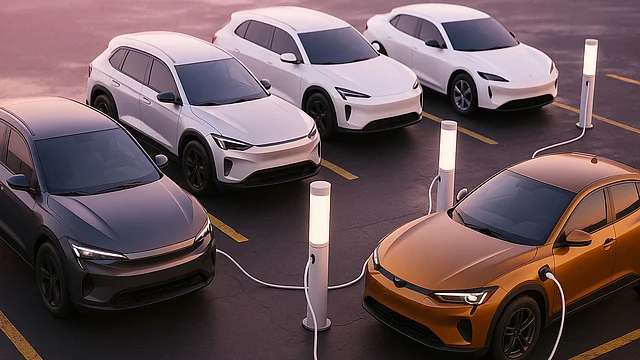
India’s EV infrastructure is expanding to sustain growth. Over 12,000 charging stations are operational nationwide, supported by the Ministry of Power and state subsidies in Odisha and Maharashtra. Delhi’s replacement of CNG-powered Gramin Sewa vehicles with electric models enhances last-mile connectivity, reducing emissions, which account for 14% of India’s greenhouse gases. The Energy Conservation Building Code (ECBC) and smart grid projects in Delhi and Bangalore optimize energy use, supporting EV adoption. A 2023 Yale-CVoter survey shows 86% public support for the 2070 net-zero goal, with 66% favoring fuel-efficient vehicles, driving policy momentum.
Plastic waste reduction complements EV efforts, as packaging contributes to 25,000 tonnes of daily waste. The Plastic Waste Management Rules (2021) ban single-use plastics, promoting biodegradable alternatives. Companies like Blue Planet recycle 5% of collected waste, though 77% still reaches landfills, per Outlook Business. Multi-stakeholder partnerships engage waste pickers and local governments, improving waste segregation. These initiatives create a cleaner urban environment, supporting EV adoption by reducing pollution from transport and waste.
Private sector innovation is critical. Mahindra, with a 70% share in electric three-wheelers, operates CERO, India’s first automotive recycling facility, processing 20,000 vehicles. SEBI’s green bond regulations have boosted investments in solar and green hydrogen projects, aligning with India’s updated NDCs targeting a 45% reduction in GDP emissions intensity by 2030. However, inconsistent state regulations and weak compliance, as noted in a trade.gov report, pose challenges. Urban voters, including 18 million first-time voters in 2024, prioritize climate issues, pushing for stronger environmental policies.
The rare earth crisis highlights broader supply chain vulnerabilities. A NITI Aayog report projects a 127 GWh battery demand by 2030, with 128 GWh of recyclable batteries available, 46% from EVs. Current recycling capacity is only 2 GWh, underscoring the need for facilities like Maxvolt’s planned plant in NCR. Recycling reduces emissions by 55% compared to virgin materials, conserving water and energy. India’s collaboration with global partners, like the International Solar Alliance, supports technology transfer for sustainable manufacturing.
Conclusion
India’s EV industry faces a critical challenge from China’s rare earth export curbs but is responding with domestic mining, recycling, and infrastructure expansion. Supported by government policies, private sector innovation, and public demand for sustainability, the sector aims to achieve 30% EV adoption by 2030. By addressing supply chain risks and integrating green practices like plastic waste reduction, India is paving the way for a resilient, low-carbon future.
Source:Business Outlook
What's Your Reaction?