The Department of Drinking Water & Sanitation brought together Gram Panchayats and community representatives from eight states to share best practices and strengthen community-led water governance under Jal Jeevan Mission 2.0.
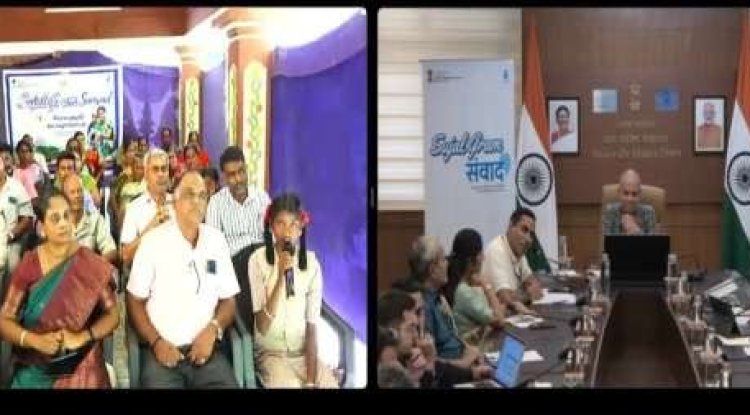
The Department of Drinking Water & Sanitation (DDWS) under the Ministry of Jal Shakti has organised the ninth edition of its multilingual "Sujal Gram Samvad" to strengthen community-led water governance under Jal Jeevan Mission 2.0. The virtual dialogue brought together representatives of Gram Panchayats, Village Water and Sanitation Committees (VWSCs), Jal Sahiyas, Jal Bahinis, Jal Sakhis, Anganwadi workers, students from eight states, and senior state officials.
Meena referred to the Samvad as a platform where the lessons learnt from Gram Panchayats can be shared, explaining that drinking water and sanitation issues fall under the responsibility of Panchayati Raj Institutions as per the 73rd Constitutional Amendment. He emphasised the importance of effective devolution of funds, functions and functionaries to Gram Panchayats and active community ownership through VWSCs with the participation of women, youth and ex-servicemen.
The speakers from the eight Gram Panchayats presented the situation in their local languages. In Subbegoundenpudur, Tamil Nadu, the panchayat reported achieving 100% Har Ghar Jal coverage by providing 55 litres of surface water per capita per day, and the panchayat had engaged SHGs for water quality testing. Household tap connections have helped relieve the burden on women who previously depended on hand pumps for water supply in Bariyarpur, Bihar. Spring water schemes in Sonamarg, Jammu & Kashmir, with insulated pipelines, have helped provide a continuous supply of water even during the difficult winter months with the active participation of the communities.
In Lallen, Mizoram, the VWSC has created an effective operation and maintenance system using WhatsApp groups to report leakages. Special efforts are being made in Etori, Uttar Pradesh, to reach Koda and Kora tribal habitations. An innovative user-charge system in Faridpur, Haryana, is generating an income of approximately ₹13,000 per month for maintenance, and women from SHGs are responsible for testing the water and addressing grievances. In Husir, Jharkhand, the panchayat, where most residents are tribal, levies a user charge of ₹30 per month from households based on their economic status, with the earnings going to a local operator and for pump repairs. In Kotdhi, Chhattisgarh, fortnightly water quality results are disseminated to villagers through WhatsApp, along with the construction of soak pits for greywater disposal.
Additional Secretary and Mission Director, National Jal Jeevan Mission, Kamal Kishore Soan urged officials to effectively utilise the upcoming 16th Finance Commission grants, hold regular meetings of the District Water and Sanitation Mission, and continue efforts towards source sustainability. He also urged Gram Pradhans to check the status of the schemes on the e-Gram Swaraj Portal and update the community in a transparent manner through Gram Sabha meetings to enhance community accountability.
What's Your Reaction?