A new report by the Mediterranean Wetlands Observatory warns that 12% of Mediterranean wetlands have been lost since 1990, with agriculture, water overuse and climate change driving growing ecological and economic risks.
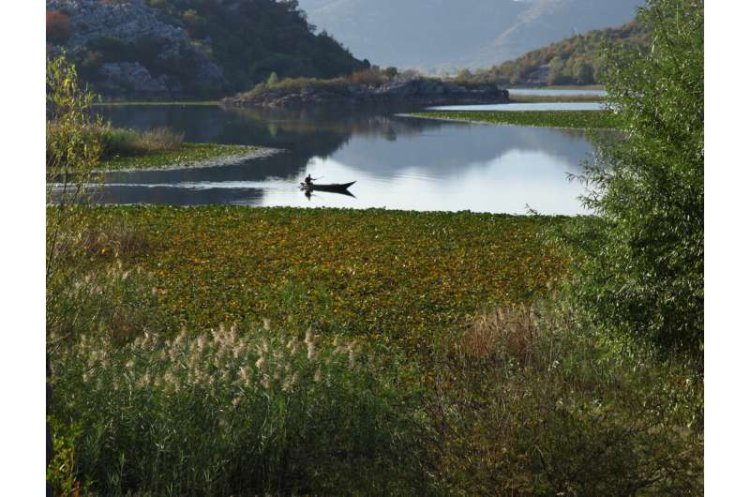
Wetlands across the Mediterranean Basin are disappearing at an alarming rate, with more than half already lost historically and an estimated 12% decline recorded between 1990 and 2020, according to a new report by the Mediterranean Wetlands Observatory (MWO).
The findings, released by the Tour du Valat on World Wetlands Day, highlight growing threats from intensive agriculture, overexploitation of water, urban expansion and climate change. Researchers warn that unless urgent and coordinated action is taken, further degradation could undermine water security, biodiversity and regional stability.
Why wetlands matter
Wetlands make up less than 2% of the Mediterranean’s land area, yet they support more than one-third of its biodiversity. Around 590 million people live across the Basin, and nearly two-thirds of them are based near at least one wetland. In fact, population density around wetlands is about four times higher than in other parts of the region.
These areas quietly support daily life. Wetlands help manage floods, store carbon, recharge freshwater supplies and sustain fishing and farming. Along coastlines, they reduce erosion and soften the impact of storm surges. Their ability to provide these benefits depends on the diversity of plant and animal life they host. When that balance shifts, the services wetlands provide can also change, affecting local economies and communities.
Agriculture and water stress
According to the report, intensive agriculture is the main source of pressure. Nearly 30% of the functional space of Mediterranean wetlands is currently used for agricultural purposes. In parts of North Africa, Turkey and the Iberian Peninsula, the expansion of intensive farming has led to habitat conversion and increased demand for irrigation water.
Irrigation already represents almost two-thirds of total water withdrawals in the Basin. At the same time, per capita water availability in southern and eastern Mediterranean countries has declined by around 40% over the past 30 years. Rising demand combined with reduced availability has contributed to the drying of wetlands, particularly in areas facing water stress.
River systems have also changed. Around 95% of major Mediterranean rivers are affected by dams or other forms of flow regulation. These changes reduce the natural flow of freshwater and sediment that wetlands rely on to maintain their structure and function.
Urban growth and climate projections
Urban development has added further pressure. Since 2000, the area of artificial surfaces near wetlands has increased by 44%, linked to the expansion of cities, infrastructure, and tourism facilities. When land is sealed with concrete and asphalt, water is less able to filter into the ground. This increases runoff and can fragment habitats.
Climate projections indicate that average temperatures in the Mediterranean Basin could rise between 1.7°C and 5.2°C by 2100. Rainfall patterns may also shift, with some regions experiencing declines of up to 30% in annual precipitation. Coastal wetlands may face additional changes linked to rising sea levels and reduced sediment supply. Current projections suggest that a significant share of coastal marshes could be lost by the end of the century if these trends continue.
Biodiversity and economic links
About 40% of species associated with Mediterranean wetlands are classified as threatened. For species found only within the Basin, that proportion rises to 69%.
Wetlands are closely tied to regional economies. Fisheries, agriculture and tourism all depend on functioning ecosystems. Changes in biodiversity and habitat structure can influence these sectors and shape how communities respond to droughts, floods and other extreme weather events.
Proposed actions
The Mediterranean Wetlands Observatory identifies five areas for policy focus:
Integrating wetlands into land-use planning, including limiting artificial surfaces and restoring ecological connections.
Expanding restoration efforts. Nearly 88,000 km² along the northern Mediterranean have been identified as potentially restorable under current assessments.
Updating water management policies by incorporating ecological flow needs, improving irrigation efficiency and expanding wastewater reuse.
Supporting local participation, including farmers, researchers, and community groups involved in monitoring and management.
Strengthening coordination between countries and improving institutional capacity.
Researchers note that long-term outcomes will depend on how consistently these measures are implemented across the region.
What's Your Reaction?