Rosatom outlines its strategic plans for the Northern Sea Route at the 2025 International Arctic Forum, focusing on increased cargo traffic, international partnerships, and the development of Arctic infrastructure.
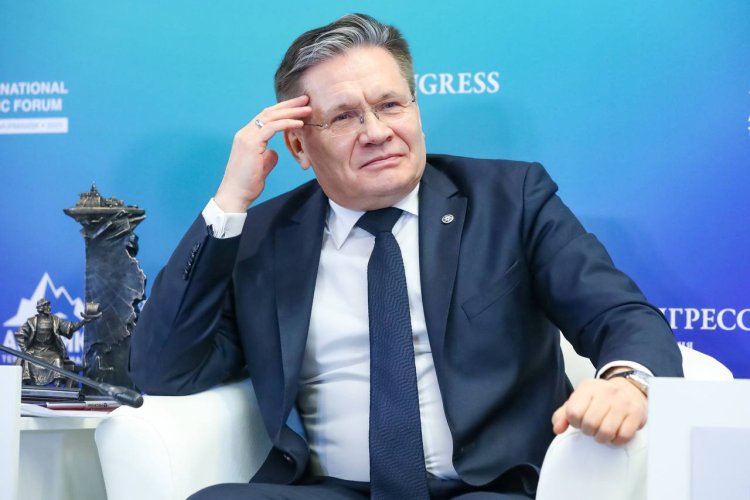
At the VI International Arctic Forum "The Arctic – the Territory of Dialogue" held in Moscow on April 1, 2025, Rosatom presented its strategic vision for the future development of the Northern Sea Route (NSR). The session on the long-term development model for the NSR focused on increasing cargo traffic and improving logistics efficiency for this vital Arctic corridor. Alexey Likhachev, Director General of Rosatom, highlighted the challenges and opportunities ahead for the region. Key discussions covered the economic models for NSR operations, international cooperation, and the logistics systems required to meet growing demands.
Likhachev emphasized that while the NSR had already seen impressive cargo volumes, the expected future growth would require additional resources. Last year, nearly 38 million tons of cargo were transported via the route, and projections indicate a rise to hundreds of millions of tons in the coming years. The development of adequate icebreaker capabilities was underscored as essential, with Rosatom already operating 11 icebreakers, including eight nuclear-powered vessels. However, to meet future demands, the company anticipates needing 15 to 17 icebreakers and is planning for the construction of additional vessels.
In the context of international collaboration, Likhachev noted the importance of partnerships with shipbuilding experts from other countries. He stressed that international cooperation was necessary not just for icebreakers but also for increasing cargo fleet capacity to meet growing demand. Moreover, long-term planning was deemed crucial, with Rosatom proposing a 30-year strategy for the sustainable development of the NSR.
The forum also addressed the need for competitive transport conditions for the NSR. Rosatom advocated for lowering the costs of icebreaker escorts and cargo services to ensure the economic viability of Arctic projects, suggesting that current interest rates and lending policies could impede progress if left unaddressed. Likhachev emphasized that commercial initiatives alone would not suffice to keep the momentum of the NSR's development on track.
Vladimir Panov, Rosatom’s Special Representative for Arctic Development, highlighted the growing role of international partnerships with countries like China and India. In recent years, these collaborations have led to regular container shipments along the NSR, with increasing frequency. This shift in international cooperation signals a broader global interest in the route as a reliable and efficient transport corridor linking Europe, Russia, and Asia.
Another focal point at the forum was personnel training for Arctic operations. Rosatom is investing in workforce development to meet the demands of its growing projects, including new nuclear power plants and Arctic infrastructure. The company aims to create 10,000 additional jobs by 2035, focusing on developing specialized educational programs and vocational training to equip the workforce for challenging Arctic conditions.
In addition, the forum highlighted the potential for tourism in the Arctic region. Anna Zhigulskaya, Director of the Project Office for Internal Communications and Corporate Social Responsibility at Rosatom, discussed initiatives to enhance the quality of life in Rosatom’s Arctic cities. These efforts include the development of leisure and tourism infrastructure, aiming to make Arctic cities more appealing places for both residents and visitors. This initiative is part of Rosatom’s broader efforts to improve living conditions and support local communities.
The forum also provided a platform for discussions on Arctic urban planning, particularly the development of nuclear-powered cities like Polyarnye Zori. These cities, which are expected to experience significant population growth, require careful planning to ensure that the influx of workers is met with appropriate housing, educational facilities, and community services.
In conclusion, Rosatom’s presentation at the Arctic Forum underscored the corporation’s commitment to transforming the Northern Sea Route into a key global trade artery. With long-term strategic planning, international collaboration, and a focus on infrastructure and personnel development, Rosatom aims to unlock the full potential of the NSR, contributing to the economic and social development of the Russian Arctic.
Source: Rosatom Press Release, VI International Arctic Forum, April 1, 2025.
What's Your Reaction?