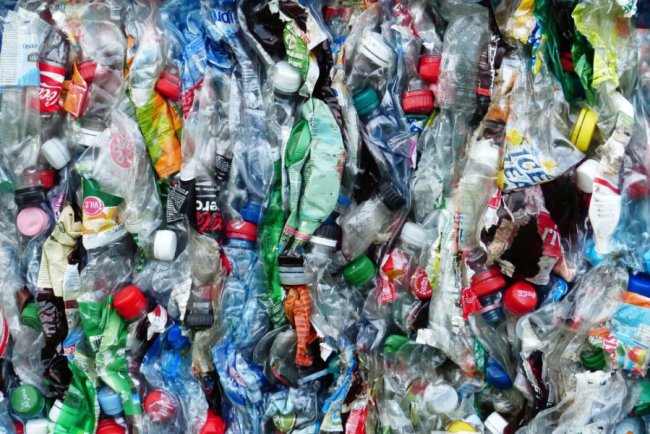
Nearly 97 per cent of the waste generated across its operations is now diverted away from landfills
Auto components manufacturer RSB Group has set a target to source 50 per cent of its energy from renewable sources and cut emissions by 45 per cent by 2030, according to its first Sustainability Report released on Monday.
The report, published as the company completes over 50 years of operations, lays out performance data across energy use, emissions, water consumption and waste management, along with a five-year roadmap for decarbonisation.
Over the last three years, RSB has reduced its energy intensity by 16 per cent and cut Scope 1 and Scope 2 emissions intensity by 17 per cent compared to FY23. Nearly 97 per cent of the waste generated across its operations is now diverted away from landfills.
“Our focus has always been on what happens inside the plant,” said R.K. Behera, Chairman, RSB Group. “Reducing energy use, controlling emissions and managing water and waste properly are operational decisions, not slogans. The progress in this report reflects steady improvements on the shop floor, backed by clear targets and disciplined execution.”
According to the report, RSB’s total energy consumption stood at 264,850 gigajoules, around five per cent lower than three years ago. Energy intensity declined to 1.50 GJ per tonne of output. Total Scope 1 and Scope 2 emissions fell to 48,137 tonnes of CO₂ equivalent, with Scope 1 emissions alone dropping by about 25 per cent over the same period. Emissions intensity improved to 0.27 tCO₂e per tonne.
The company’s decarbonisation plan focuses on increasing renewable energy use, improving energy efficiency and gradually adopting lower-carbon technologies. Alongside its renewable energy goal, RSB has also committed to achieving 60 per cent water neutrality by 2030.
S.K. Behera, Vice Chairman, RSB Group, said sustainability considerations are now part of routine decision-making across the business. “From design and engineering to manufacturing and logistics, efficiency and long-term impact are built into how we evaluate processes. This approach is shaping how we prepare our operations for the future.”
On water management, the report notes that water consumption intensity improved to 0.61 kilolitres per tonne in FY25, a four per cent year-on-year reduction achieved through process improvements. Waste segregation and recycling measures across plants enabled the diversion of nearly all waste from landfills.
The report also outlines ongoing efforts around employee safety, skill development and community engagement. Social programmes are implemented through the RSB Foundation and cover education, healthcare, livelihoods and environmental initiatives in regions where the company operates.
Prepared in line with SEBI’s Business Responsibility and Sustainability Reporting (BRSR) framework and GRI standards, the report reflects a growing emphasis on governance, data tracking and accountability across RSB’s manufacturing operations.
What's Your Reaction?