A study published in Science Advances finds that long-term exposure to fine particulate pollution from wildfire smoke contributed to an average of 24,100 deaths each year in the United States between 2006 and 2020.
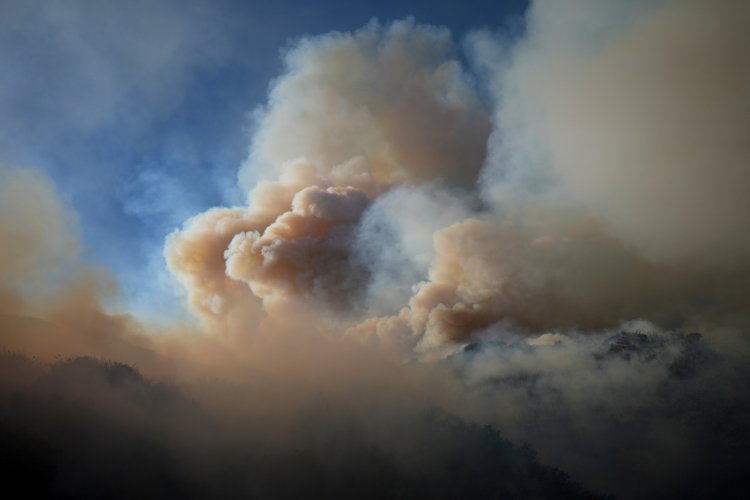
Each year, Breathing polluted air from wildfire smoke is associated with increased mortality nationwide, a recent scientific analysis shows. Over the period from 2006 to 2020, contact with tiny harmful particles from these fires played a role in the analysis estimated that wildfire smoke exposure was associated with about 24,100 deaths annually in the contiguous United States, the findings suggest. Though unseen, the health impact accumulates silently across years. Researchers arrived at this number after examining extensive environmental and public health records. Smoke-related risks persist even when skies appear clear. Data covered nearly two decades to capture shifting patterns. Despite seasonal variations, the toll remains substantial over time.
With climate change driving more frequent and stronger fires, smoke exposure now weighs more heavily on population health. What emerges is a shift in environmental risk — one where breathing carries new costs during fire seasons shaped by warming trends.
Long-term exposure to fine particles raises health risks
Appearing in Science Advances, a recent analysis examined PM2.5 — tiny particles capable of reaching deep lung tissue and crossing into blood pathways. This pollutant dominates wildfire emissions; evidence connects it to conditions affecting breathing, heart function, and brain health.
It is extended contact, not brief episodes, that accounts for the majority of harm. Although momentary exposure might lead to symptoms such as throat irritation or watery eyes, ongoing presence near fumes links to deeper problems — worsened long-standing illnesses and earlier mortality.
Data analysis across US counties
Covering 3,068 counties throughout the lower forty-eight states, the study focused on overall death rates alongside specific categories such as circulatory, respiratory, and neurological conditions. Unrelated causes — including falls and vehicle collisions — were examined separately to avoid distortion, with results showing no pattern in those areas. While assessing nationwide mortality records, scientists ensured accuracy by isolating factors unrelated to airborne contaminants.
Findings showed that regions experiencing prolonged wildfire smoke recorded sharper increases in fatalities linked to neurological conditions. While patterns varied slightly, the strongest correlation appeared where air quality declined over time. Where smoke lingered across seasons, health outcomes worsened noticeably. A steady rise in such deaths emerged only under these specific environmental pressures, and not elsewhere with equal strength.
Climate change is intensifying wildfire impacts
Wildfire smoke containing fine particles now poses a growing threat to public health, influenced by climate-driven changes. Higher temperatures, extended dry periods, and population growth in fire-prone areas have combined to increase both the frequency of fires and the number of people exposed.
Each increase of 0.1 microgram per cubic metre in wildfire-related PM2.5 was associated with around 5,594 additional deaths annually, the data showed. Though small in measurement, the shift carried a significant impact across populations over time.
Gaps in regulation and monitoring
Wildfire-generated PM2.5 remains unregulated in the same way as industrial or transport emissions due to its classification as a natural event. However, evidence suggests its health effects may match or exceed those of human-made pollutants. Despite current policy treatment, scientific analysis places smoke exposure on par with established environmental hazards.
If climate mitigation efforts weaken, health risks may intensify. As wildfires spread, smoke travels farther. This underscores the need for prevention-focused strategies and highlights air-quality monitoring as a critical component of response.
Need for further research
While the research benefits from extensive data and long-term observation, scientists acknowledged limitations such as reliance on county-level aggregates rather than individual exposure data. Health behaviours, including smoking, were not included in the model. Researchers emphasised the need for future studies to refine exposure measurements. Policy decisions, they noted, may depend on more precise assessments going forward.
What's Your Reaction?