‘Engines Of Opportunity, Centres Of Vulnerability’: The Growing Challenges Of Asia Pacific’s Cities
By 2050, the region’s cities are expected to welcome 1.2 billion new residents — roughly twice the population of all ASEAN countries combined
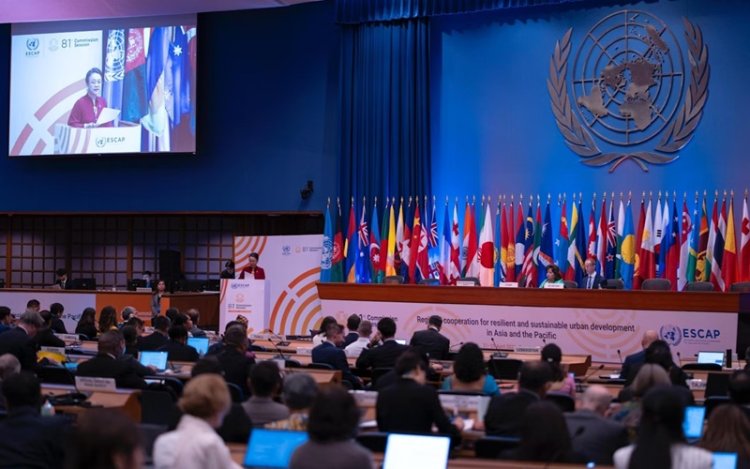
In a room buzzing with urgency and hope, government leaders, city planners, and development experts gathered on 27 April in Bangkok for a critical conversation about the future at 81st session of the United Nations Economic and Social Commission for Asia and the Pacific (ESCAP) .
The opening of the 81st session of the United Nations Economic and Social Commission for Asia and the Pacific (ESCAP) — a meeting happening at a time when Asia and the Pacific are standing on the cusp of an urban revolution.
By 2050, the region’s cities are expected to welcome 1.2 billion new residents — roughly twice the population of all ASEAN countries combined. And the choices leaders make today will define not just how cities look, but how millions of lives will unfold.
Addressing the gathering, United Nations Under-Secretary-General and ESCAP Executive Secretary Armida Salsiah Alisjahbana didn’t mince words. “Urbanisation is more than just managing growth — it’s about transforming cities into hubs of innovation, resilience, and equity,” she said, her voice clear over the hushed crowd.
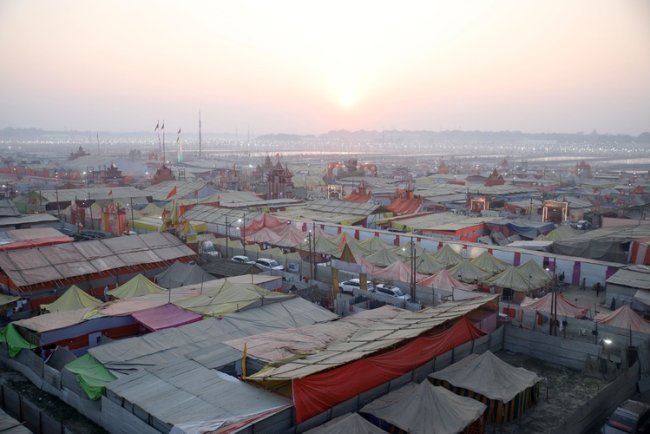
The promise of cities as engines of economic growth has long been celebrated. But the story is no longer simple. One in three urban residents in the region still struggles to access basic services. Climate change is heating cities, seas are rising, and extreme floods are washing away homes. For many, especially the poor living in slums and informal settlements, cities are as much a place of vulnerability as they are of opportunity.
“This is the paradox we face,” Alisjahbana reflected. “But there is hope.”
That sense of cautious optimism was echoed by United Nations Deputy Secretary-General Amina J. Mohamed, who reminded the audience that Asia-Pacific’s urban centres — with over 2.2 billion people and seven of the world’s largest megacities — are poised to lead global solutions. "By working together, we can close inequalities, mitigate climate impacts and empower women while driving investments that advance the Sustainable Development Goals," she said.
Philemon Yang, President of the UN General Assembly, offered a sobering note: "The impacts of social, economic and climate vulnerabilities are felt unequally across urban areas. The benefits of economic growth are not reaching everyone."
On the first day of the session, leaders including the Prime Minister of Thailand, the Chief Advisor of Bangladesh, and ministers from across the region laid out urgent priorities: harmonising national and local policies, boosting data collection at the city level, planning for ageing populations and growing migrant communities, and diversifying how cities are financed.
Nepal’s Minister of Foreign Affairs, Arzu Rana Deuba — elected as Chair of the session — captured the sentiment with clarity: "We must invest in cities that are inclusive, green, and resilient. Urban development must be well-planned if we are to achieve sustainability."
A new ESCAP report launched at the session, Urban Transformation in Asia and the Pacific: From Growth to Resilience, paints a roadmap for how cities can get there. From green infrastructure and smart technologies to inclusive planning, the report is packed with examples of cities already leading the way.
But the call was clear: action must be local. Bob Rae, President of the UN Economic and Social Council, reminded delegates that two-thirds of all SDG targets depend on efforts at the city level. Without empowered local authorities, global progress could falter.
As the session moves toward its conclusion later this week, participants are expected to adopt key regional agreements — from strengthening cooperation on the water-climate nexus to pushing sustainable urban development and advancing the growth of middle-income countries.
The choices made here, in this moment, will ripple across generations. For a region facing the greatest urban transition in history, hope, cooperation, and bold leadership will make all the difference.
Source: ESCAP
What's Your Reaction?