The government is accelerating the development of Inland Water Transport through new policies, digital reforms and infrastructure projects to improve logistics efficiency, reduce transport costs and support sustainable mobility.
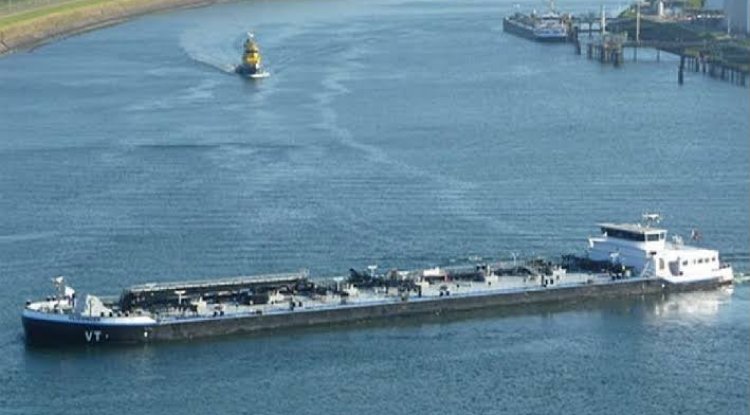
The government is on a mission to make Inland Water Transport (IWT) a major component of India's multimodal transport system by leveraging the Maritime India Vision 2030 and Maritime Amrit Kaal Vision 2047, which emphasise the development of fairways, multimodal terminals, community jetties, river cruise development and digital navigation technologies, all of which are aligned with the PM Gati Shakti National Master Plan.
The Inland Waterways Authority of India (IWAI) has implemented a number of digital reforms, such as PANI for planning navigation, Jalyan and Navic portals for vessel and crew registration, Cargo Data Portal (CAR-D) and digital hydrographic charts. These changes have helped to operationalise 32 national waterways across the country.
On cost and environmental efficiency, IWT works out to ₹1.06 per tonne-kilometre compared to ₹1.36 for railways and ₹2.50 for roadways, at 2014 prices. It also results in significantly lower emissions and air pollution costs than road transport, and has a negligible impact in terms of noise, soil pollution and water pollution.
Significant policy initiatives include the National Waterways Regulations, 2025, approved with an outlay of ₹95.42 crore for three years, with the aim of encouraging private investment; extension of tonnage tax to inland vessels in the 2025 Budget; and the Coastal Shipping Act, 2025, which will come into effect from March 2026 to modernise the regulatory framework. More than 140 PSUs have been appointed to move cargo by water from various ministries, including the Ministries of Petroleum, Steel and Coal, while a Coastal Cargo Promotion Scheme will increase the share of cargo transported by inland waterways and coastal shipping by 2047.
Regional development initiatives cover the Northeast (NW-2, NW-16), Kerala, Andhra Pradesh and Telangana (NW-3, NW-4, NW-8, NW-9), Odisha (NW-5, NW-14, NW-64), Karnataka, Goa, Gujarat, West Bengal and Jammu & Kashmir, with jetties, terminals, navigational aids and cruise infrastructure at various stages of completion. In Andhra Pradesh alone, nine projects worth ₹1,286 crore have been approved under the Sagarmala Scheme, including the development of a fishing harbour and coastal berth.
The flagship Jal Marg Vikas Project on NW-1 (₹5,061 crore) is nearly 82% complete, with 66 community jetties in operation, a new navigation lock at Farakka and the multimodal terminals at Varanasi and Sahibganj. Regular hydrographic surveys are undertaken on 22 waterways, and the coverage of River Information Systems and Electronic Navigational Charts has expanded beyond NW-1 compared with the period before 2014.
What's Your Reaction?