India’s Project Cheetah is advancing ecological restoration and environmental sustainability through successful species reintroduction and grassland habitat revival.
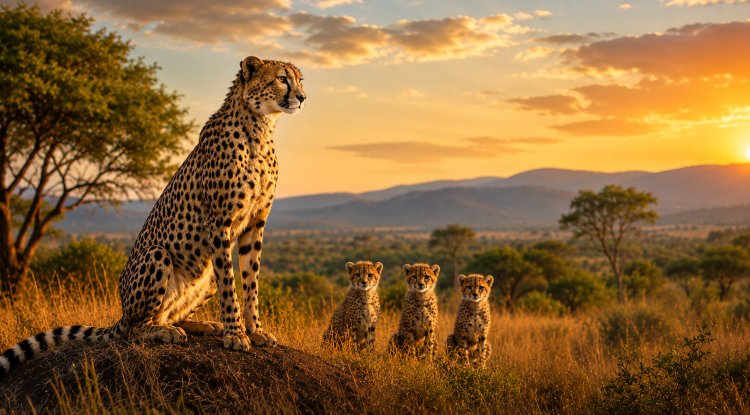
India’s ambitious attempt for conservation of the cheetah is now yielding tangible results as the country moves forward towards population reintroduction in decades after their extinction. A review at a high-level meeting chaired by the Minister for Environment Bhupender Yadav evaluated the programme's past and future. Meetings took place with senior officials, wildlife experts and conservation officers in order to come to terms about the status of the project.
From a sustainability and environmental perspective, the initiative is also being viewed as a long-term ecological restoration programme aimed at rebuilding degraded grassland ecosystems and restoring natural predator-prey balance, which is essential for maintaining biodiversity and ecosystem health.
The first animals are a (small) group of cheetahs translocated from Namibia and South Africa, with later additions of nine cheetahs from Botswana. The initiative is one of the largest reintroduction and conservation efforts for wildlife in the world. Although the challenges included moving wild animals to the new ecosystem, the project has been successful in producing encouraging results, the government stated.
Currently, the population of cheetahs is 53, of which 33 were born in India. The authorities pointed out that the survival rates of adult cheetahs and cubs are similar to, if not better than, international conservation standards. Scientific monitoring has demonstrated their adaptability to lower latitudes and Indian environment with stable behaviour in quarrying, effective hunting and no significant signs of physiological stress are observed.
From an environmental sustainability lens, the successful adaptation of cheetahs is also seen as an indicator of improving habitat quality and functioning grassland ecosystems, where apex predators help regulate herbivore populations and support vegetation regeneration, thereby strengthening ecological resilience.
Government also has endeavoured to increase habitat to meet the growing population's needs. The Kuno National Park (secondary cheetah habitat) is being prepared for future expansion and development. There is also preparatory work going on in Banni grasslands of Gujarat and the landscape to enhance the sustainability of the project long term.
These habitat expansion efforts are aligned with broader environmental goals of landscape-level conservation, aiming to restore open natural ecosystems that have significantly declined due to habitat fragmentation and land-use changes, while also ensuring long-term ecological sustainability of reintroduced wildlife populations.
Officials said that the project Cheetah has now emerged as an international effort that will help besides preservation, it will also assist in rehabilitating India's open natural ecosystem.
What's Your Reaction?