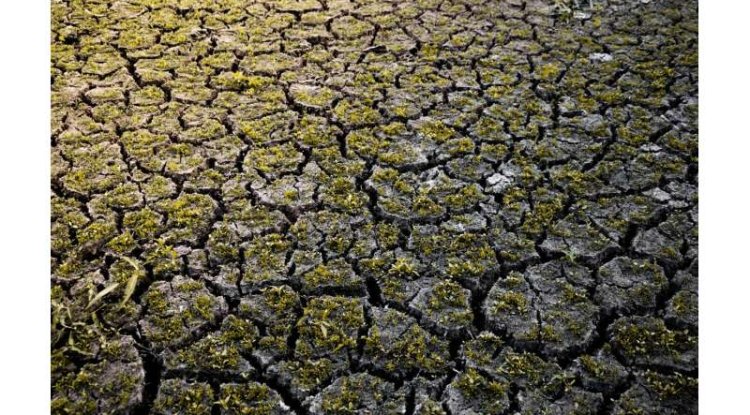
Europe is facing an intense early summer heatwave driven by a persistent high-pressure system and rising global temperatures. Here's what is causing the extreme heat and why such events are becoming more frequent.

An exceptionally hot spell has hit Europe at the onset of summer, as temperatures soar to levels far above the norm for the month of June. The extreme weather situation has caused disruption to transportation systems, increased the possibility of forest fires, and issued health alerts in various countries.
Parts of southeastern Europe are experiencing temperatures that are above 40°C. Measures by governments include issuing heat advisories, closing schools in certain areas, and urging people to avoid going out at the hottest time of the day.
What is causing the heatwave?
The main culprit is something called an Omega block — a stubborn area of high pressure that behaves like a lid clamped over the atmosphere. It traps hot, dry air in place and blocks cooler weather from moving through, so instead of the heat passing, it just keeps building day after day.
Making things worse, a surge of hot air has been pushing up from North Africa, driving temperatures to record or near-record highs in several places.
Why do these heatwaves keep happening?
Climate change, according to specialists, is the cause of these phenomena because as the planet warms, the number of heatwaves increases, as well as their intensity. Europe, specifically, is warming at a faster rate than all other continents on the globe, which makes prolonged heatwaves more common.
According to the analysis by World Weather Attribution, the occurrence of such phenomena became much more likely because of the contribution of human-induced climate change to them. The basic idea here is that as the Earth heats up, ordinary weather leads to extreme results.
How much damage is this causing?
Heat is harmful, especially to the elderly, young children, and those suffering from various health problems, where cases of heat stroke and dehydration are increasing.
This extreme heat has even affected the infrastructure in the sense that roads can expand due to extreme heat, whereas the electrical systems are facing stress with people using air conditioning more than usual. In addition, drought in the south of Europe has increased the risk of wildfires, making the farmers concerned about their crops.
What's Next?
Weather forecasts suggest temperatures may ease in some parts of Europe as cooler air gradually moves in, although hot conditions are expected to continue elsewhere for several days.
Scientists say heatwaves are likely to remain a recurring feature of European summers unless global greenhouse gas emissions are reduced. As temperatures continue to rise, countries are expected to place greater emphasis on heat action plans, urban cooling measures, and protecting vulnerable communities.
What's Your Reaction?