Himachal’s 2025 cloudbursts expose climate risks, killing 51. Fragile development and poor planning demand urgent investment in resilient mountain infrastructure.
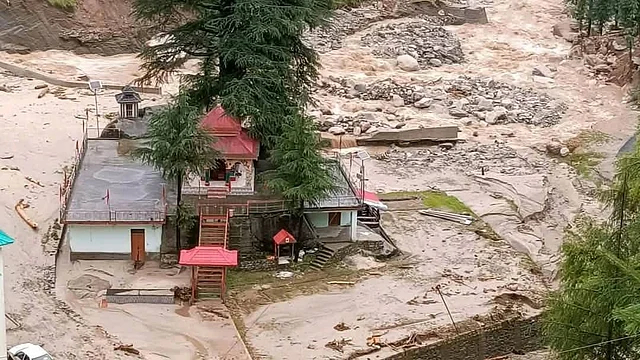
Himachal Pradesh faces deadly cloudbursts in 2025, with 51 deaths and 22 missing in Mandi district, driven by climate change and fragile mountain development. Heavy monsoon rains, exceeding 100 mm in an hour, trigger flash floods and landslides, damaging infrastructure. Experts link rising extreme weather to global warming, urging sustainable development. India’s net-zero goal by 2070 demands resilient infrastructure, but funding and policy gaps hinder progress in vulnerable Himalayan regions.
Cloudbursts, caused by orographic lift in the Himalayas, deliver intense rainfall over small areas, overwhelming drainage systems. In 2025, Mandi reported 10 deaths and 34 missing, with 2024’s Wayanad landslides showing similar impacts, costing ₹1,200 crore. A 2022 study notes increased flood frequency in High Mountain Asia since 2000, driven by 425 ppm CO2 levels. The IMD’s lack of a cloudburst-prone map limits preparedness, with only 20% of hilly areas monitored in real-time.
Unplanned development exacerbates risks. Construction in Mandi’s floodplains, ignoring ecological limits, amplifies damage. The 2023 Forest Conservation Amendment Act exempts 10 hectares of forest land for infrastructure, threatening 30% of Himachal’s forests. Tribal communities, 5% of the state’s population, face displacement, mirroring concerns in Nagaland and Mizoram. Sustainable practices, like soil bioengineering, could stabilize slopes, but implementation covers only 10% of at-risk areas due to costs.
Economic impacts are severe, with tourism, worth $1 billion annually, disrupted by 259 road closures. Agriculture, supporting 60% of Himachal’s population, faces losses from waterlogged fields. The 2025 budget’s ₹51 crore for hydropower, unchanged from 2024, limits flood-resistant infrastructure. India’s green bonds, raising $2 billion yearly, fall short of the $5 billion needed for mountain resilience. The RBI’s 5.5% repo rate cut aims to boost recovery, but damages strain budgets.
Climate change, with a 0.15°C temperature rise per decade, intensifies monsoon variability. La Niña in 2025 increases rainfall by 10%, worsening cloudbursts. The Paris Agreement’s 1.5°C target requires a 45% emissions cut by 2030, but India’s coal reliance (70% of energy) slows progress. The Coalition for Disaster Resilient Infrastructure, backed by India, promotes resilient designs, but only 15% of Himalayan projects adopt them due to funding gaps.
Socially, vulnerable groups like farmers and tribals face disproportionate impacts. In 2024, Kerala’s floods displaced thousands, mirroring Himachal’s challenges. Community-driven initiatives, like Odisha’s evacuation drills, save lives, but only 10% of Himachal’s villages have disaster plans. The IMD’s CAP reduces mortality, but rural areas need better education and infrastructure. Women, 40% of the workforce, face heightened risks due to limited access to resources.
Government responses include NDRF deployments and relief camps, but damaged roads delay aid. The 2025 budget’s focus on climate-smart agriculture, with ₹5,000 crore, supports resilience, but mountain-specific policies are underfunded. Global cooperation, through the WMO, enhances forecasting, but India’s $1 billion climate budget contrasts with richer nations’ unfulfilled $100 billion pledge, limiting technology transfers.
Himachal’s cloudbursts highlight the urgent need for sustainable mountain development. Investments in resilient infrastructure, real-time monitoring, and community preparedness are critical to mitigate climate-driven disasters and protect lives.
Source : Outlook Business
What's Your Reaction?