Food manufacturers are incorporating more upcycled ingredients made from food processing by-products as companies seek to reduce waste and recover value from discarded materials.
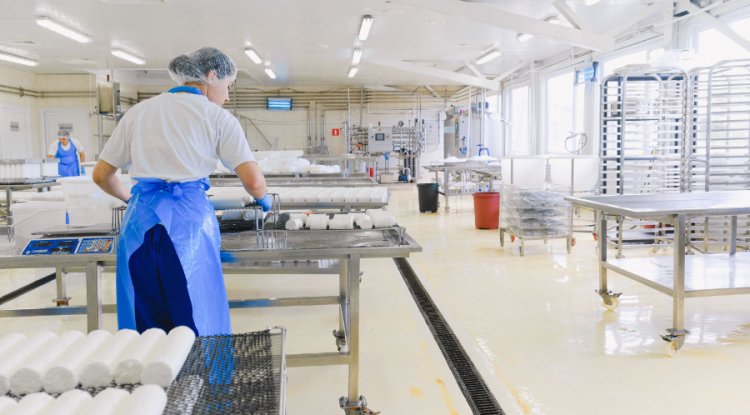
As indicated in a report released by Green Boy Group (an ingredient supplier), food manufacturers are moving towards increased use of upcycled ingredients derived from by-products of food processing and surplus material that would otherwise have been disposed of or discarded.
According to this report, the problem of food waste continues to be a major issue along the global food supply chain, whereby edible material is lost during processing, transportation, and consumption. Upcycled ingredients are manufactured from by-products of food processing and are added to various food products, such as snacks, baked goods, and plant-based options.
Some examples include juice manufacturers using upcycled fruit pulp, breweries utilising spent grain, and all food manufacturers creating by-products from the processing of vegetables. These by-products can be processed and converted into usable food ingredients such as flour, fibre, protein, and others for use in the manufacture of various foods.
The report concluded that as the technology of food processing has evolved over time, there have been more by-products created as a result of advances in the processing of foods, so manufacturers are now able to incorporate more of these by-product materials back into finished products rather than sending them to a waste stream.
According to the report, growing food wastes a lot of agricultural resources (i.e., land, water, and energy used to produce it) when farms, processors, retailers, and consumers all throw away food. According to estimates from the United Nations, millions of tons of food are wasted every year.
Food companies are investigating the economic effects that food waste has on their bottom line. Recovering usable materials through processing operations can provide additional ingredients for manufacturing while decreasing the amount of waste disposed of.
The report indicates that the adoption of upcycled ingredients varies greatly by market and product category. There are many things that may affect ingredient use, including: availability of raw materials; costs to process; consistency of supply; and regulatory requirements.
Ingredient producers have invested in facilities and technologies to process food that is wasted into usable ingredients that can be marketed to manufacturers for a number of food products.
Based on the information in the report, food companies are beginning to provide finished products containing recovered ingredients as part of the process of reducing food waste. Upcycling is an example of how the quantity of food waste being sent for disposal can be decreased.
Upcycled ingredients currently make up only a modest percentage of all food ingredients used globally; however, the report indicates that both food manufacturers and ingredient suppliers are working hard to expand the number of products made from reclaimed food materials.
What's Your Reaction?